As we go about our day, a quiet process keeps us alive, steady, and often unnoticed. Every breath is a bridge between the unconscious and conscious parts of who we are. By looking closely at autonomic breathing and voluntary breathing, we can start to see how closely our minds and bodies are connected. In our experience, understanding the difference between these two types of breathing can create a real sense of clarity and presence. It can change the way we relate to our own lives, even in small ways.
Why do we breathe automatically?
Most of us don’t spend much time thinking about how we breathe. The reason is simple: Our bodies are designed to take care of breathing for us, even when we’re not paying attention. This is called autonomic breathing.
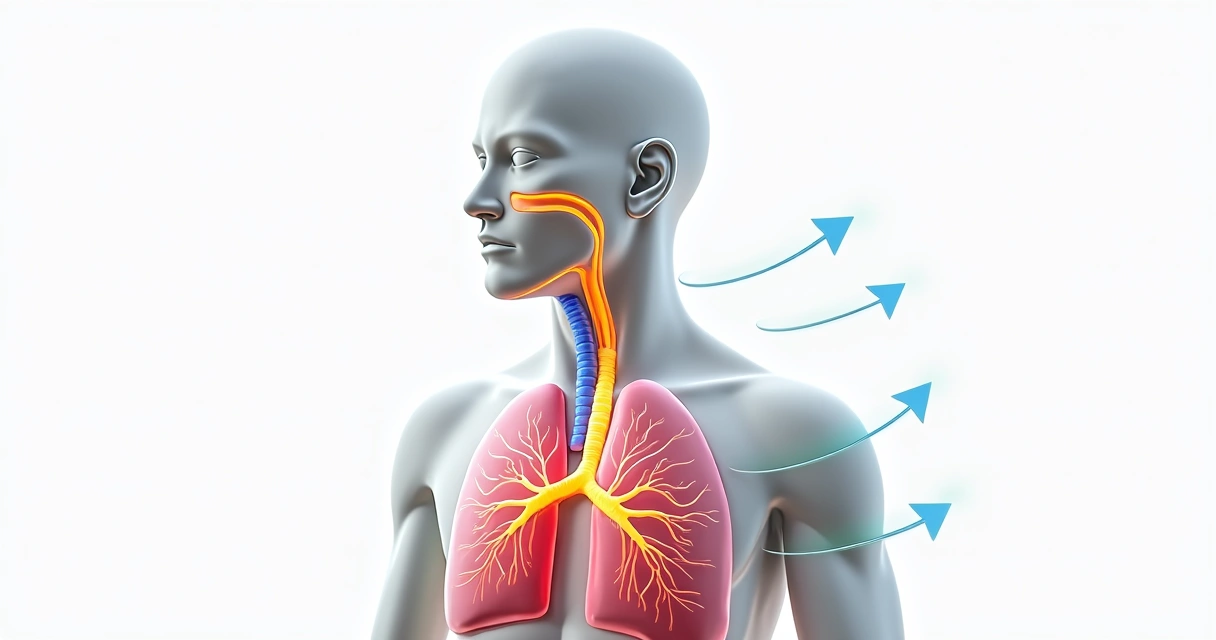
The autonomic nervous system runs in the background, much like the operating system of a computer. It makes sure that oxygen enters our body and carbon dioxide leaves. Whether we are busy, asleep, or deep in thought, the nervous system is already on the job.
Autonomic breathing keeps us alive. It responds to signals like increased carbon dioxide, low oxygen, or the presence of stress hormones. It can adjust our breathing speed and depth without us choosing to do anything. It's as if we have an internal life-support team always on duty.
Even when we’re startled or afraid, our breath changes instantly. We gasp, and our breathing gets fast and shallow. All of this happens before we have a chance to consider our response. We’ve all felt it: the sudden inhale when surprised, or the heavy exhale as we settle after a long day. These moments are pure autonomic breathing, shaped by what’s happening inside and around us.
What makes voluntary breathing different?
Then there’s the breathing we control. Voluntary breathing is any time we change our breath with conscious intent. We yawn on purpose, take a deep breath before speaking, or slow our breathing to calm ourselves down. In these moments, another part of our brain—the cortex—takes charge.
Voluntary breathing lets us intervene. We use it when singing, blowing up a balloon, holding our breath under water, or practicing mindful breathing. It can be as subtle as sighing quietly, or as strong as a sharp inhale before diving into cold water.
Unlike the automatic mode, here we get to choose. We can count, pace, lengthen or deepen each breath. Voluntary breathing is the “manual override.” We use it to manage stress, prepare for action, or express emotion. Most of us have had the experience of pausing to “take a breath” before a challenging moment. That simple act can be surprisingly powerful.
How do these two breathing types interact?
The two types of breathing—autonomic and voluntary—do not work in isolation. In fact, they often interact throughout the day. When we’re focused or anxious, automatic signals still shape our breath. But at any point, we can make a conscious change.
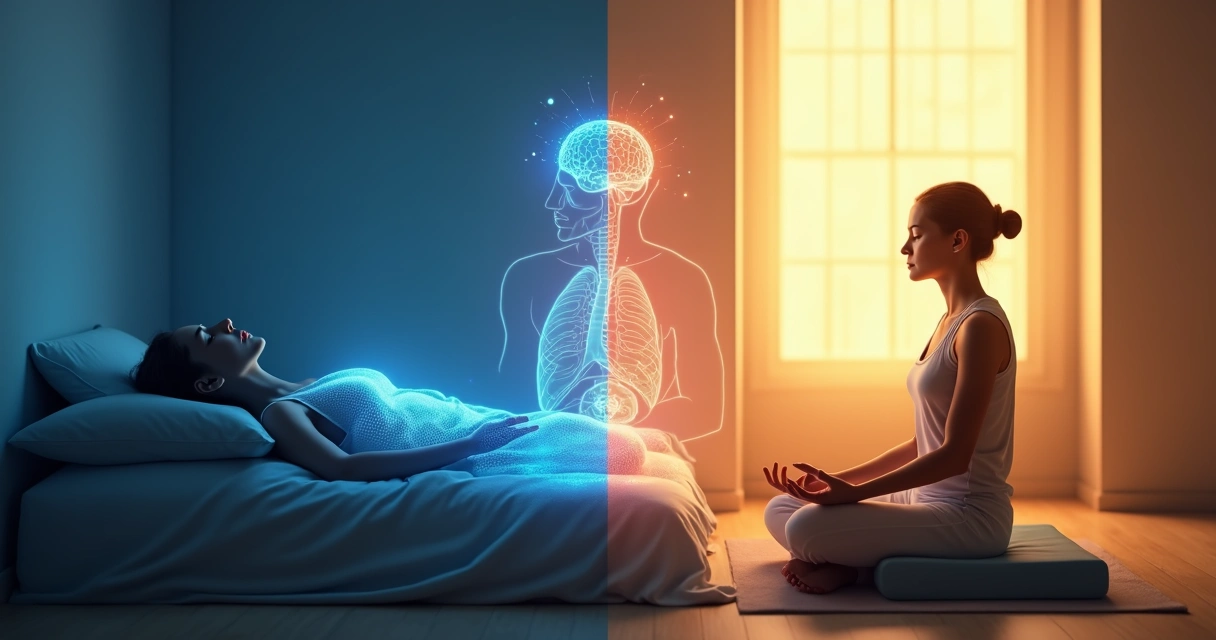
- During sleep, we rely entirely on autonomic breathing.
- When awake, we can overlay intentional actions—like deep breathing—onto the base rhythm.
- Sudden events can cause a switch from voluntary to instinctive breathing (such as gasping in surprise).
This combination creates a kind of partnership between the body’s wisdom and our conscious choices.
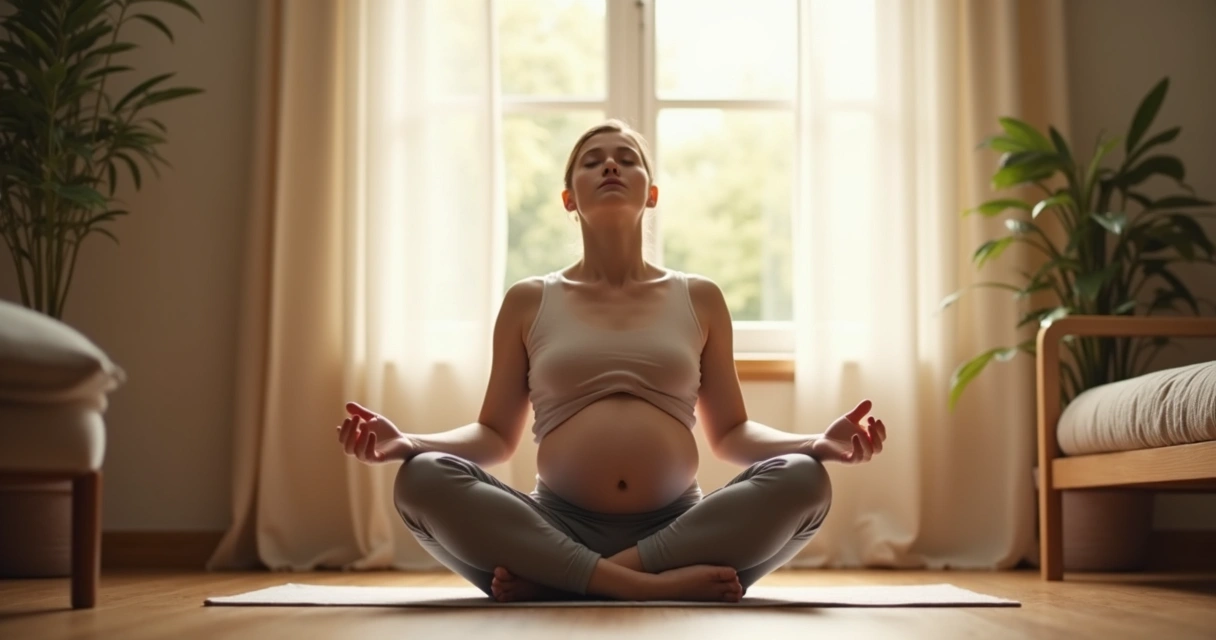
Breath is where body and mind meet.
In our experience, when we consciously guide our breathing, we shape not just the breath itself but also our emotional and psychological states. By practicing voluntary breathing, we can bring fresh awareness into what once was unconscious. We can influence heart rate, calmness, and clarity just by shifting how we breathe for a few seconds.
Physical pathways: What’s happening inside?
There are different parts of the brain for each type of breathing.
- Autonomic breathing comes from the brainstem, which sends signals to the diaphragm and rib muscles without conscious input.
- Voluntary breathing is controlled by the higher centers in the brain, in areas connected to decision-making and movement.
These systems share the same muscles. The diaphragm, rib, and abdominal muscles can work with or without our input. The main difference is which part of the brain is controlling them at any moment.
For example, during exercise, our autonomic system speeds up the breath to match our body’s needs. But if we choose to slow down our breath during a stressful time, we are using voluntary control. It’s like two drivers sharing the same car—one automatic, the other manual—with the ability to switch at any time.
Emotional and psychological impact
We’ve noticed that our breathing often matches our feelings, even before we’re aware of it. Anxiety often brings quick, shallow breaths. Calm and joy may bring longer, deeper inhales and slow exhales. These shifts happen on their own, guided by the autonomic system.
However, we can flip the process. By consciously changing our breath, we can send new signals to our mind. Slow, steady breathing tends to bring a sense of peace, while sharp, fast breathing can raise alertness or anxiety.
- Intentional deep breathing can lower heart rate and ease stress.
- Focusing on the exhale can help release tension.
- Practices like controlled breath-holding can boost mental clarity and presence.
Through these simple actions, we can influence emotional states, even if just for a moment. One conscious breath can shift our entire outlook on a difficult situation.
Subtle breathing habits: Patterns that shape us
Most of us carry subtle breathing habits without even knowing it. Over time, the patterns set by automatic and voluntary breathing can shape how much energy we feel, how much tension we carry, and even how well we sleep.
Some common habitual patterns include:
- Holding the breath during stress or concentration
- Breathing only in the upper chest, never deep into the belly
- Rapid, shallow breathing that never fully empties the lungs
In our research, we’ve found that bringing attention to these patterns—even just for a few minutes a day—can have a gentle, lasting effect over time. By blending the best of autonomic and voluntary breathing, we can build habits that support better health and mental clarity.
Practical ways to become more aware
We all start with the same tools—our lungs, our diaphragm, and a mind able to focus attention. Becoming aware of the way we breathe is often the first step to real change. A few practical suggestions:
- Pause for a moment in quiet and notice your breath without changing it.
- Try taking two or three slow, deep inhales and longer exhales, just to see how it feels.
- Notice if your breathing is fast, slow, deep, or shallow at different points of your day.
- Before a challenging task, experiment with conscious breath to create calm focus.
These simple practices can open the door to greater perception of how each breath shapes our state of being. Over time, the line between “automatic” and “intentional” may feel less strict, and presence may become more accessible.
Conclusion: Two sides of the same breath
In our experience, the difference between autonomic and voluntary breathing is not just about how we take in air. It is about how we connect with ourselves, moment by moment. Autonomic breathing supports life itself, working in the background without our attention. Voluntary breathing is a way to step into the present, to shape our mood, stress, and even our sense of clarity.
By learning how these two types of breathing cooperate and interact, we can move through life with more awareness and a deeper sense of agency. It is a simple yet powerful shift: the breath is always there, and sometimes, it invites us to pay attention.
Frequently asked questions
What is autonomic breathing?
Autonomic breathing is the type of breathing that happens automatically, without us thinking about it. It is controlled by the autonomic nervous system, mostly from the brainstem, and responds to the body’s needs naturally. This kind of breathing lets us sleep, relax, and live day-to-day life without having to think about every single breath.
What is voluntary breathing?
Voluntary breathing is any time we control our breath on purpose. When we choose to inhale deeply, hold our breath, or breathe slowly, that is voluntary breathing. It is managed by the higher centers of the brain and allows us to change our breathing in response to stress, emotion, or specific activities like singing or speaking.
How do autonomic and voluntary breathing differ?
The main difference is in control: Autonomic breathing is automatic and unconscious, while voluntary breathing is intentional and directed by our choice. Both use the same muscles, but different parts of the brain control them. They also interact, sometimes switching from one mode to another in certain situations.
Can you control autonomic breathing?
We can influence autonomic breathing using voluntary control for short periods of time. For instance, if we become aware of fast or shallow breathing during stress, we can slow and deepen the breath. However, the autonomic system is always at work in the background, ready to take over when our attention shifts away.
Why are both breathing types important?
Both autonomic and voluntary breathing keep us healthy and responsive to life’s demands. Autonomic breathing sustains life, while voluntary breathing helps us regulate stress, express emotion, and create focus. Together, they form a partnership that supports both the automatic rhythms and conscious moments in our lives.