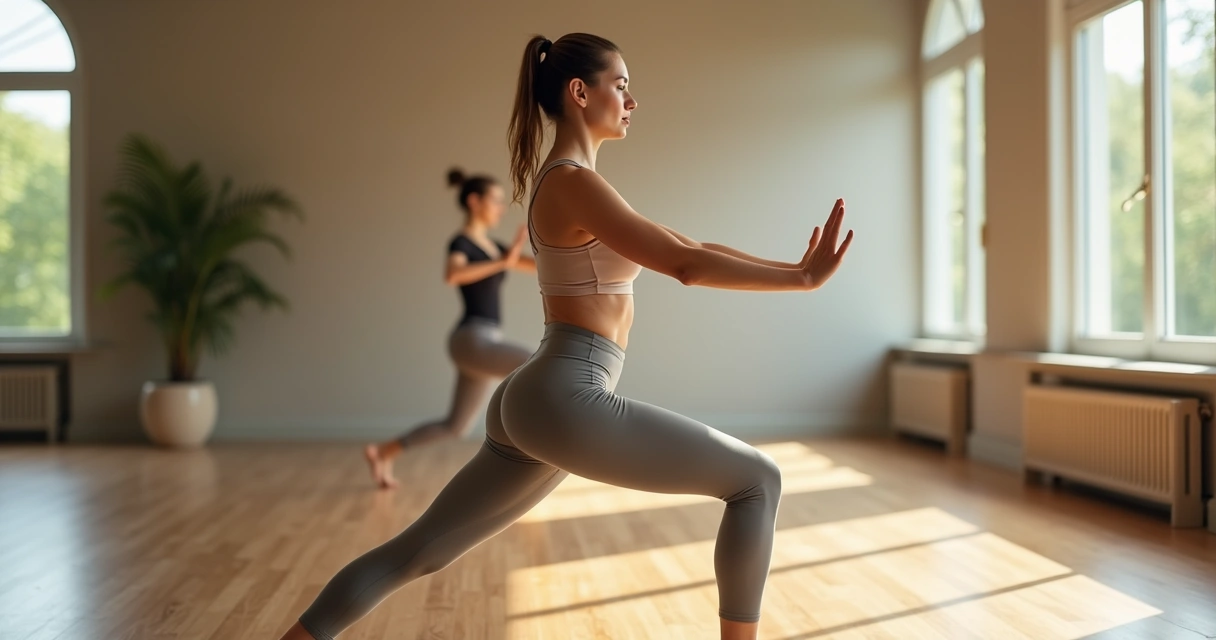
Breath and movement dance together every moment of our lives, but few of us pay attention to their harmony. When we intentionally join them, we can transform not only how we move, but also how we feel and think. We believe that learning how to synchronize breath and movement is a gentle path to better understanding our own experience.
We move, we breathe, we connect.
Why breath synchronization matters
Breath happens whether or not we notice it, but intentional breath changes everything about how movement feels. We have seen that with conscious practice, synchronizing breath with movement can do far more than just calm the mind.
Breath synchronization means intentional timing of inhales and exhales with movement, creating a fluid rhythm between body and mind. This can help us develop awareness, enhance focus, manage stress, and support better physical well-being.
- Improved awareness and self-control
- Steadier mind and emotions
- Smoother, safer movement patterns
- Deeper sense of calm and presence
Matching breath and movement can be a meditation in action, a way to bring the mind into the present. When we pay close attention, something inside us shifts. We become alert, but not tense – relaxed, but not dull.
Understanding basic breath patterns
Before we start syncing breath with movement, it helps to get familiar with the natural patterns of breathing. There’s no need for complicated techniques at first. We recommend starting simple, feeling breath as it is.
- Nasal breathing: Inhaling and exhaling through the nose supports gentle, paced breathing.
- Diaphragmatic breathing: Breathing deep into the belly, not just the chest, brings more calm and stability.
- Even-count breathing: Inhaling and exhaling for the same count (such as 4 seconds in, 4 seconds out) can settle the mind.
Strong breath does not mean forced breath. We suggest feeling each part of breath and allowing it to move smoothly, like water flowing.
Building awareness: The foundation step
To synchronize breath and movement, we must first become aware of both. Building that awareness does not take long. A simple scan of the body, done seated or standing, can start the process. We follow these steps:
- Sit or stand quietly. Close the eyes if safe and comfortable.
- Pay attention to breath. Notice each inhale and exhale without changing anything yet.
- Notice the sensation of movement, even the smallest, like the chest or belly rising and falling.
- When thoughts wander, gently return focus to the present breath and body.
With even ten breaths, a calm awareness grows. We find that this practice creates fertile ground for learning synchronization.
Synchronizing breath with movement: Step-by-step guide
Now we bring movement and breath together. We recommend starting with natural, familiar movements rather than complicated sequences. Small movements can teach as much as large ones.
Simple exercises to start
Below are three beginner-friendly practices that make breath and movement work as one:
- Arm raises: Stand with arms at your sides. As you slowly inhale, raise both arms out and up above your head. As you exhale, lower your arms gently back down. Repeat for several breaths.
- Seated twists: Sit with back tall. Inhale, lengthening your spine. As you exhale, twist gently to one side. Inhale to center, exhale and twist to the other side. Continue with slow breaths.
- Step and breathe: Stand in place. As you step one foot forward, inhale. As you bring the foot back, exhale. Alternate feet, matching breath to each step.
Synchronizing breath does not mean getting it perfect. We find progress comes when we focus more on joining breath and movement gently, not rigidly. Some days, the natural rhythm feels clear; other days, it takes patience.

Expanding to more dynamic movement
Once the basics feel natural, we add movement complexity. Walking, slow squats, and even daily tasks like reaching or bending become opportunities for breath-movement coordination.
- Inhale when expanding: Lifting, opening, or stretching the body - Exhale when contracting: Lowering, tightening, or folding the body
This simple rule helps us keep the pattern clear as movements become more challenging. Over time, this connection becomes automatic, building confidence.
Common mistakes and how to avoid them
In our experience, people most often struggle with these challenges:
- Forcing the breath – Breath should feel smooth, not strained.
- Rushing the movement – Synchronization happens best when we slow down at first.
- Holding the breath – If breath stops, pause the movement, reset, and try again.
- Getting frustrated – Learning a new habit takes time; progress comes through patience.
If you feel dizzy or lightheaded, always stop, rest, and return only when you feel well.
Each challenge is a step toward learning. We encourage curiosity and self-kindness, not perfection.

Daily life integration
Synchronizing breath and movement is not just for exercise. We can bring it into daily life, weaving presence into simple moments:
- Inhale while reaching for something on a shelf, exhale as you set it down.
- Link breaths with steps while walking to work or school.
- Use one full breath cycle to open or close a door smoothly.
- Pair breath with hand movements while washing up or preparing a meal.
With practice, everyday actions become moments of clarity and connection.
Over days and weeks, this simple integration adds up. We’ve noticed that what started as an exercise soon becomes second nature.
Maintaining motivation
New practices often fade without support. We think regular reminders can help:
- Set a daily cue, like morning light or a favorite song, to practice breath and movement together.
- Keep sessions short, especially when beginning.
- Track small improvements: more calm, less tension, or a clearer mind each day.
We have seen that reflecting on even minor changes keeps the practice meaningful.
Conclusion
Breath synchronization with movement is more than just a technique. It is an invitation to connect with our bodies and minds, to find presence in the ordinary, and to move through life anchored and clear. We believe that in every inhale and exhale joined to movement, we discover a little more about our true experience.
Frequently asked questions
What is breath synchronization with movement?
Breath synchronization with movement is the conscious coordination of your breathing with physical actions, so each inhale and exhale matches specific movements. This practice connects awareness, physical control, and presence in the moment.
How do I start breath synchronization?
We recommend starting with small, familiar movements and matching the flow of your breath to those actions. For example, try inhaling as you raise your arms and exhaling as you lower them. Practice for a few minutes each day, focusing on a smooth rhythm rather than perfection.
What are the benefits of breath synchronization?
Synchronizing breath and movement can help reduce stress, create mental clarity, and support smoother physical movement. Many also report feeling more grounded and present, both during movement and in daily activities.
Is breath synchronization good for beginners?
Yes, breath synchronization is a gentle and accessible practice for beginners. We believe starting with basic movements and simple breathing patterns makes it easy to integrate, and the effects can be felt quickly without the need for prior experience.
How can I practice breath synchronization daily?
You can weave breath synchronization into small actions throughout the day. Match inhales and exhales to stepping, reaching, or standing up. Even one or two minutes at a time, when repeated regularly, can make a difference over time.