
Few aspects of life feel as natural as breathing. Most of the time, we breathe without thinking—our body moves air in and out, each cycle sustaining us. But what if that rhythm, that effortless pulse, is no longer so smooth? Many of us know the days when stress never seems to end. We may not notice, but chronic stress changes the way we breathe, quietly rewriting the story of our body and mind.
What is healthy breathing, really?
We find in our experience that healthy breathing is steady, flexible, and mostly quiet during rest. It adapts: fast during effort, slow during sleep, lighter in peace. Our chest and belly move gently. We draw breath through the nose. Exhales match inhales in calm times, and pauses come naturally.
- The breath rate slows when we are relaxed, often around 8 to 12 breaths per minute for adults.
- During restful breathing, inhales and exhales are even, quiet, and unforced.
- The diaphragm does most of the work, not the chest muscles.
From our point of view, this baseline balance in breathing shows that our nervous system is in tune. It also supports emotional clarity. When this rhythm shifts because of chronic stress, the impact ripples through our body and mind.
What does chronic stress do inside us?
Strong or persistent stress means our body remains on alert far longer than nature intended. Stress hormones like cortisol and adrenaline rise. Muscles tense, heart rate quickens, and breathing becomes fast or shallow—even when there’s no danger present.
Our experience tells us that the human body is built for short bursts of stress, not the long haul. Chronic stress keeps us in survival mode, and this shapes our daily breathing rhythms in deep ways.
How chronic stress changes the breath
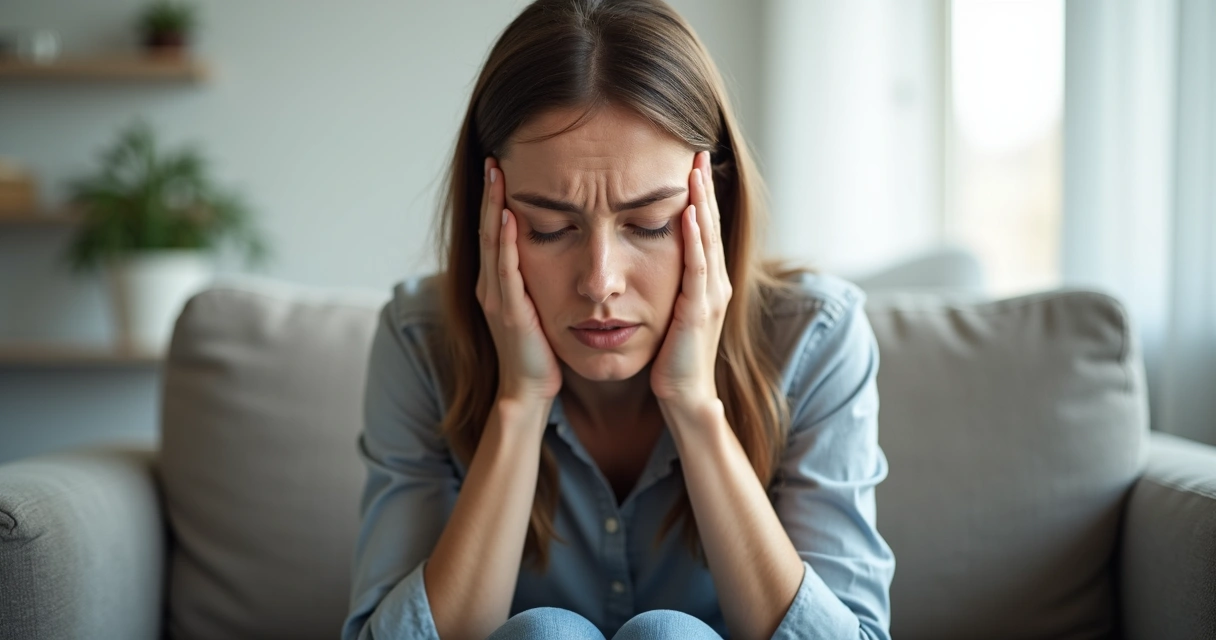
Over weeks or months, stress can do more than simply make us sigh or gasp. Breathing patterns begin to shift in small but steady ways:
- Shallow breathing takes over. The breath moves into the upper chest. The diaphragm moves less. We may even hold our breath unnoticed.
- Faster breathing, even at rest. Instead of calm, steady cycles, breaths become quick, sometimes out of sync with what the body actually needs.
- Irregular rhythm. Sighs, breath-holding, and uneven patterns sneak in—especially during tasks or in social moments.
- Mouth breathing appears more often, leading to dry mouth or throat.
We often notice that changes in breathing can happen so slowly we do not recognize them until tension, tiredness, or anxiety become part of daily experience.
When stress lingers, the breath forgets how to rest.
Physical and emotional impact of stressed breathing
When we observe the body closely, we see how breathing that has been shaped by stress can affect many areas of life. For example:
- Muscle tension in the neck, shoulders, and jaw grows as upper chest breathing dominates.
- Fatigue or headaches appear more often. Sometimes, we wake not feeling rested.
- Digestion can become irregular, as the body remains in a “fight or flight” state longer than it should.
- Anxiety or irritability rise—the mind and body feel less settled.
There are days when a person under chronic stress feels “wired but tired.” It can feel like we are always on alert, even if there’s no clear reason.
Connecting stress, emotion, and breathing
In our approach, we see breathing as a bridge—connecting the body, emotion, and mind. Stress disturbs this bridge.
Emotions like fear, worry, or sadness do not only live in thoughts; they shape the breath. And once our breathing changes, this can make certain emotions stronger or return more often. It creates a cycle that can be hard to notice, but easy to feel.
Changing the breath can change the feeling.
Recognizing new rhythms: common signs
Sometimes we ignore the signals, but the body gives us clues. Based on our research and observations, here are common changes that suggest stress has shaped our breathing:
- Frequent sighing or breath-holding during the day, especially at work or in social settings
- Sensation of “not getting enough air” without clear cause
- Difficulty taking a slow, full breath on demand
- Neck and chest movement more obvious than stomach movement when breathing at rest
- Need to yawn often, even when not tired
Noticing even one or two of these can be the first step toward a different way of living.
Long-term consequences of stressed breathing
If these patterns continue unchecked, the effects go beyond a bad day. In our understanding, long-term stressed breathing can weaken the body’s stress response, reduce energy, and increase emotional reactivity. Some people may even develop chronic hyperventilation or panic symptoms, while others notice muscle pain, lower focus, or frequent headaches.
Steps toward regaining harmony in breath
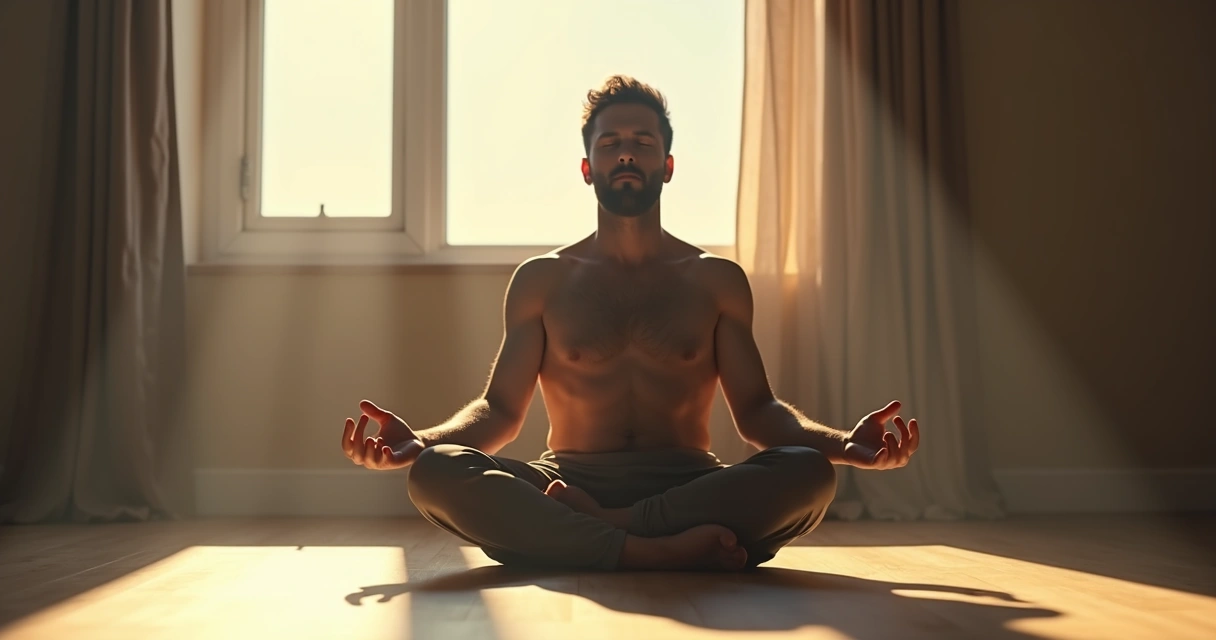
The good news: When we become aware of our breathing patterns, change is much more possible. In our research and practice, we have found certain habits and practices helpful for many people:
- Pause often to notice breathing. Several times a day, stop and gently observe your breath. Is it soft? Fast? Are you breathing with the belly or the chest?
- Practice nose breathing. Gently close your mouth and let air come in and out through your nose. This alone helps calm the mind.
- Try slow, even breathing. Aim for a steady pattern—inhale for four seconds, exhale for six if comfortable. Longer exhales can calm a busy mind.
- Place a hand on your belly as you breathe, to feel the diaphragm move more than the chest. This shifts tension away from the upper body.
- Notice and release shoulder and jaw tension as you breathe out.
Even a few focused breaths each day can shift things slowly back toward balance.
Conclusion: Rewriting the story of breath
If chronic stress has drawn new lines into our breathing rhythms, they are not set in stone. We can relearn the natural rhythm that once guided us. By noticing, by changing even a single breath, we start to reconnect body, emotion, and mind.
Every calm breath is a new beginning.
Frequently asked questions
What is chronic stress?
Chronic stress is a long-lasting and persistent feeling of pressure or worry, often caused by ongoing situations at work, home, or in relationships. Unlike short bursts of stress, it continues over time, affecting both body and mind without relief.
How does stress change breathing?
Stress typically makes breathing faster, shallower, and moves it from the belly to the upper chest. It can cause the breath to become uneven and sometimes lead to breath-holding or frequent sighing.
Can stress cause breathing problems?
Yes, ongoing stress can lead to various breathing problems such as hyperventilation, tightness in the chest, and sensations of not getting enough air, even when there is no physical problem with the lungs.
How to improve breathing under stress?
To improve breathing under stress, try focusing on slow, gentle breaths through the nose and letting your belly expand with each inhale. Regular breaks to notice your breath, practicing longer exhales, and relaxing your shoulders can help, as can calm breathing exercises done a few times each day.
What are signs of stressed breathing?
Common signs include frequent sighing, holding your breath, fast or shallow breathing, mouth breathing, tension in the neck and shoulders, and trouble taking a full breath when you try. These often become noticeable during stressful situations or after a long period of feeling tense.