
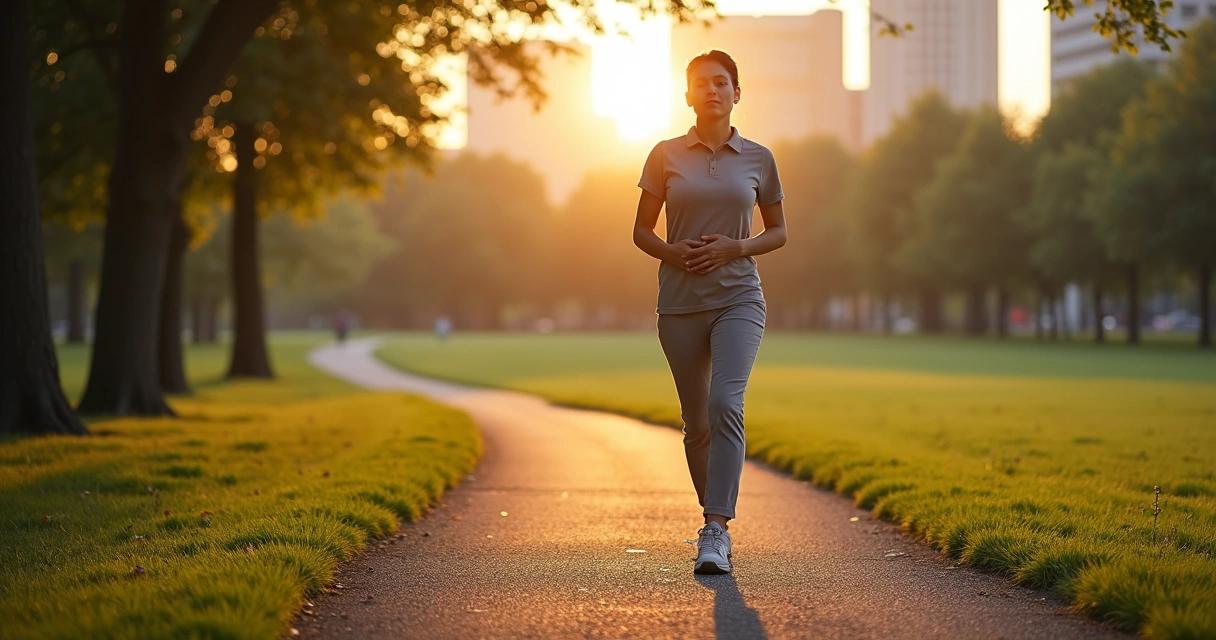
We often pass through our days on autopilot. Steps blur together, sidewalks repeat, and our minds rush ahead or fall behind. But what if one simple change—awareness of breath while walking—could shift not only our routine, but our whole experience of daily life?
Breathe. Walk. Notice.
Why conscious walking matters
At its core, conscious walking invites us to pair mindful presence with our natural movement. We walk every day, but with attention and breath, walking changes from a routine task to a doorway for self-awareness. When we anchor our attention to our breath, even a walk around the block feels different. Our senses sharpen. Stress starts to melt, if only for a moment.
In our experience, conscious walking becomes more than physical activity—it reshapes our relationship with both inner and outer worlds.
- It centers us in the present: By focusing on each inhale and exhale, we notice where we are, right now.
- It creates distance from intrusive thoughts: Breathing is a constant anchor we can always return to.
- It encourages gentle movement: Tension eases as we align breath and step.
When we walk with our breath as a partner, each step feels more grounded and intentional.
The science behind breath and movement
The link between breath and movement has long been studied. Our bodies are wired to respond to changes in breathing. Slow, intentional breathing signals the nervous system to relax. Shallow or rapid breath can trigger stress and alertness.
Pairing breath to movement, such as walking, strengthens this effect. Researchers have shown that mindful walks, even as short as ten minutes, can lower heart rate, shift mood, and support better mental focus. When we walk with awareness of our breath, both mind and body benefit.
How to start conscious walking
We have found that anyone can begin, anywhere—on a busy street or a quiet path. No special gear is needed. The most important thing is intention. Here’s a simple way to try conscious walking, whether you have five or fifteen minutes.
- Pause before you begin. Stand still for a moment. Feel the ground under your feet. Notice your posture. Let your arms rest naturally. Take a gentle breath in, and a smooth breath out. This transition sets your intention to be present.
- Match breath with step. Start walking at your usual pace. Breathe in through your nose for three or four steps. Exhale through your mouth (or nose, if you prefer) for the next three or four steps. Do not force your breath—keep it soft and comfortable.
- Notice your senses. As you walk, become aware of what you see, hear, and feel. Perhaps you notice sunlight, distant voices, or the rhythm of your own feet.
- Re-anchor to your breath. When your mind drifts—because it will—simply notice. Then, gently return attention to the breath and steps.
- Close with stillness. When you finish, pause once more. Notice how you feel. Return to your normal pace and routine, carrying a bit of that awareness with you.
You do not need to be perfect. We forget. We remember again. This is the practice.

How conscious walking shifts daily experience
At first, conscious walking may feel awkward or slow. Some days, we may not notice any change. But with gentle repetition, its effect becomes clear. Walking with attention to breath can:
- Soothe the nervous system in moments of stress or over-thinking.
- Help us notice hidden tension in the body and let it go, step by step.
- Heighten awareness of our surroundings, deepening connection with the environment.
- Offer a gentle transition between activities, like leaving work or moving from one task to another.
Each breath, each step, is a chance to begin again.
Conscious walking does not require silence, perfect focus, or hours of free time. It adapts to our real lives—with noise, distraction, and all. Even when walking with others, we can find small moments to feel the breath and bring attention back to the body.
Common patterns and personal touches
Everyone’s breath and pace are unique. Some find it helpful to add a gentle count, matching four steps to each inhale and four to each exhale. Others pay attention to the contact between heel and toe, using sensation as an anchor. Some walk outdoors, others in hallways or even around the living room.
We suggest experimenting with different rhythms. For some, a slower breath (five or six steps per inhale/exhale) helps relax. For others, a shorter breath matches a brisker walk. The practice is personal; there is no single correct way.
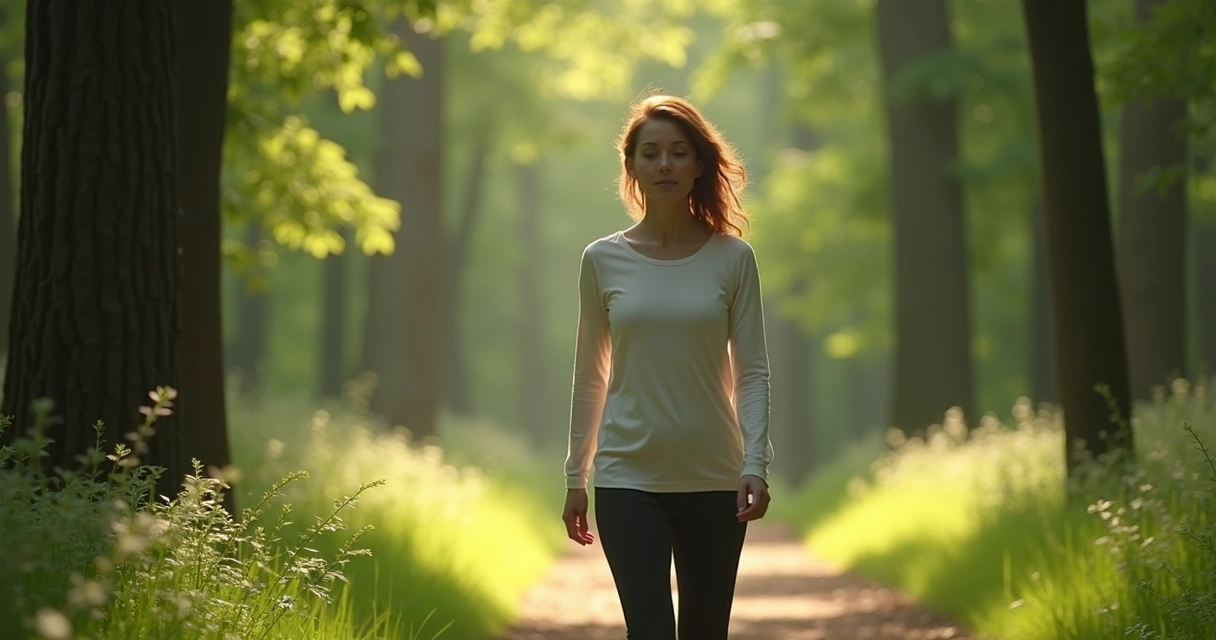
Making conscious walking part of daily life
Building a new habit does not mean overhauling every walk. Instead, we find success by attaching conscious walking to moments that already exist:
- The walk to work or public transport
- Strolls at lunchtime or on breaks
- Taking the dog out or walking with family
- Moving between meetings or classes
Choose one regular moment and set an intention: “For these next few minutes, I will walk with my breath.” Leave the rest of the day free from expectation. Even brief practice, repeated gently, can bring real change.
Conclusion
When we bring awareness to our breath while walking, the ordinary becomes more meaningful. Each step slows time, even if briefly. The breath leads us back—again and again—to a sense of calm, presence, and connection. Through conscious walking, we shift not only our routine, but how we live within it.
Frequently asked questions
What is conscious walking?
Conscious walking is a form of mindful movement where we pay deliberate attention to each step and each breath as we walk. It invites us to stay present rather than focusing on worries or distractions.
How to use breath in conscious walking?
We pay attention to our natural rhythm and gently match our breath with our steps, such as inhaling for four steps and exhaling for four. We come back to the breath whenever the mind wanders, using it as an anchor during each walk.
Is conscious walking good for stress?
Yes, conscious walking can help lower stress levels by calming the nervous system and offering a repeated anchor to the present moment. The focus on breath signals the body to relax, which many people find helpful during busy or tense days.
How often should I try conscious walking?
We believe any amount of practice helps. Starting with a few minutes a day, such as during a walk to work or lunch, can bring benefits over time. There is no need to practice for long periods—consistency matters more than duration.
Can beginners practice conscious walking easily?
Yes, beginners can start conscious walking at any pace or setting—there are no strict rules or advanced techniques required. The process is simple and becomes easier with gentle repetition and curiosity.