
We all face moments when the mind feels crowded. Sometimes, tension sits in our chest and refuses to leave. It is in these moments that the quality of our breath can anchor us and carve out a sense of clarity. A daily breath ritual does more than calm nerves, it acts as a discipline, shaping the mind’s resilience and our ability to meet life’s demands with stability. Over time, we have seen how small choices, practiced every day, gradually transform the landscape of the mind. Building a breath ritual is an act of care, an invitation into conscious presence, and a proven practice for mental strength.
Why breath work supports mental strength
The act of breathing is both automatic and within our control. This duality creates a unique opportunity: by paying attention and practicing different breathing patterns, we gain access to a pathway that connects the body, mind, and emotions. Breathing exercises have been shown in various clinical studies to significantly reduce anxiety and psychological stress in different populations. Findings published on PubMed and PMC demonstrate that guided and slow-breathing interventions decrease day-to-day stress and help cultivate a centered, attentive state.
We become stronger by paying attention to each breath.
When we commit to a daily breath practice, we learn to recognize tension in the body, shifts in mood, and patterns of thought with greater accuracy. This awareness, built step by step, brings mental resources to the forefront just when we need them most.
Key principles of an effective breath ritual
Crafting a breath ritual means more than choosing a time and technique. Drawing from our experience and the research available, we find that daily rituals share certain principles that guide their success:
- Consistency: Practicing at a regular time each day supports new habits and builds trust in the ritual.
- Intentionality: Clear intention transforms a simple exercise into a meaningful practice with personal value.
- Observation: Paying attention to the sensations, thoughts, and emotions that arise allows us to adjust and respond with kindness.
- Gentleness: Approaching practice without forcefulness is key. We never want the breath to feel strained.
- Integration: Bringing the lessons from breath practice into the rest of our day bridges the gap between formal ritual and daily life.
A ritual that honors these elements becomes a steady source of strength over time, even on difficult days.
Choosing a technique that fits your needs
Selecting the right breathing technique depends on your current state, preference, and purpose. Studies indexed in peer-reviewed literature highlight the benefits of resonant breathing, which naturally guides people toward a calm and focused mind. But whether one prefers a simple diaphragmatic breath or a rhythm like 4-7-8 breathing, the most valuable approach is one that feels safe and can be repeated daily.
- Diaphragmatic breathing: Focuses on expanding the belly as you inhale, often leading to a sense of relaxation and reduced tension.
- Box breathing (4-4-4-4): Inhaling for four counts, holding for four, exhaling for four, and pausing for four. Helpful for regaining clarity during intense emotions.
- Resonant (coherent) breathing: Breathing slowly at around 5-6 breaths per minute. This is often associated with improvements in focus, stress management, and sleep quality as suggested by clinical studies.
- Alternate nostril breathing: Used to balance mental energy, often creating feelings of centeredness.
No single method fits all. We recommend starting with what feels accessible, then gradually adjusting as you observe changes in mind and body.
Step-by-step: Building your ritual
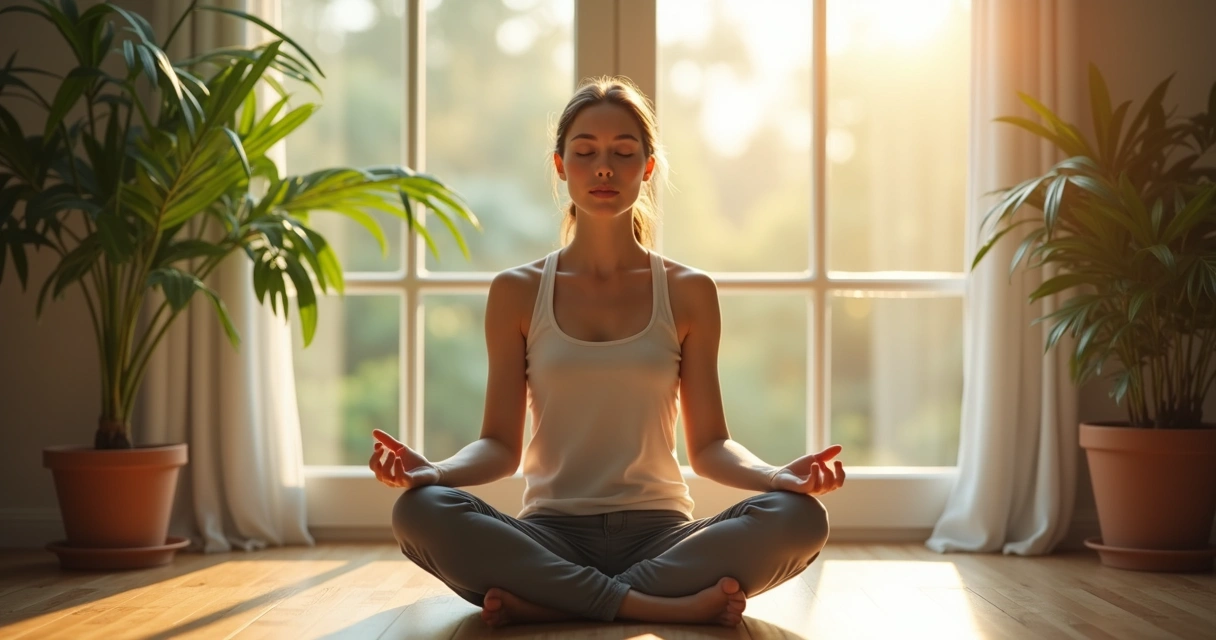
A daily breath ritual asks for preparation and patience. In our view, making small choices, repeated each day, shapes both the habit and its outcome. Here’s a step-by-step guide to creating a ritual that feels clear and grounded:
- Choose your time and place: Link your breath practice to a moment when you are least likely to be disturbed, like just after waking up or before sleep. Select a space that feels comfortable, quiet, yet welcoming. This regularity cues the mind to prepare.
- Set a simple intention: Maybe you wish to calm your thoughts, increase focus, or just reconnect with your body. State this intention to yourself before you begin. Even a brief phrase, repeated mentally, can shape the mood of your session.
- Begin with gentle observation: Sit comfortably and bring attention to your present breath. How does it feel? Is it shallow, deep, quick, or slow? Avoid changing it right away. Simply notice with a sense of curiosity.
- Choose and practice your method: Select a breathing pattern that matches your energy and goal for the day. For instance, use diaphragmatic breathing to ease tension in the evening, or box breathing during moments of high stress.
- Respond kindly: If the mind wanders or tension appears, guide your focus back to the breath without judgment. Each return is a small act of mental training.
- Close with gratitude: After 5–15 minutes, place a hand on your chest or simply notice the room again. Acknowledge the time you have spent and the state you have created, even if it was brief or felt incomplete.
- Reflect and integrate: When the ritual ends, watch for moments during your day when awareness of breath naturally arises. Over time, this connection becomes a source of support in stressful situations.
The smallest act, if done with presence, creates change.
What does science say about breath rituals?
The benefits of daily breath rituals go beyond experience, multiple scientific studies validate their impact. For example, clinical studies on guided breathing exercises demonstrate significant reduction in anxiety and stress. Another publication in PMC indicates that a 12-week practice of slow breathing reduced psychological stress in healthy adults.
Among participants with specific mental health challenges, engaging in breathing and relaxation exercises significantly improved psychological well-being and sleep quality, as described in research indexed on PubMed. For those experiencing long-term stressors, a study on resonant breathing found that over half the participants reported greater stress control and improved focus.
These findings highlight a simple truth:
Daily breath rituals are a valuable, accessible tool for building mental stability.

How to keep your daily ritual alive
We often find that the most challenging part of a ritual is the continued practice, not starting, but returning, day after day. From our observations, the following strategies help maintain consistency without becoming rigid or draining:
- Keep sessions short at first: Five minutes a day is enough to begin. It’s the habit, not the duration, that matters at the start.
- Track your process: Note how you feel before and after each session. Use a journal or a simple calendar mark.
- Celebrate completion, not perfection: Some days will feel clumsy. These are just as valuable as smooth, peaceful practices.
- Share with others if possible: Discussing the experience can build motivation and insight, deepening your understanding.
When a missing day occurs, respond with patience and simply begin again the next day. The power of the ritual is in returning, gently, willingly, and without criticism.
Conclusion
Daily breath rituals are a quiet form of strength. In our own journey and in the data we have seen, the regular practice of intentional breathing gradually builds sharper awareness, steadier moods, and an increased sense of autonomy over thought and emotion. Establishing a breath ritual asks only a few minutes each day but pays dividends in mental clarity and presence. In an unsettled world, such rituals are not a retreat from life, but a training for fuller participation within it. Try, experiment, reflect, and adapt. In time, the ritual will become an ally in the cultivation of a strong and balanced mind.
Frequently asked questions
What is a daily breath ritual?
A daily breath ritual is a set practice where we focus our attention on specific breathing patterns or techniques for a defined period each day. This routine is designed to bring awareness to the body and mind, promote calmness, and gradually increase mental resilience through consistent repetition. Its strength lies in its regularity and intention, not in complexity or duration.
How to start a breath practice?
To start a breath practice, choose a quiet time and comfortable space where you will not be disturbed. Begin by noticing your natural breath for a few moments, then try a simple technique, like slow diaphragmatic breathing or box breathing. Set a timer for five minutes and bring gentle focus to the sensations of breathing in and out. If your mind wanders, just notice and return attention to the breath. With regularity, this simple act grows into a reliable daily ritual.
What are the best breathing techniques?
The best breathing techniques are those that you can practice safely and with consistency. Popular options include diaphragmatic breathing, box breathing, resonant (coherent) breathing, and alternate nostril breathing. Scientific studies have shown benefits for all these methods, but the most effective one is the technique that feels natural to you and fits your needs at the moment.
How can breath rituals boost mental strength?
Breath rituals increase mental strength by creating a pause between stimulus and reaction. This pause builds self-awareness, reduces acute stress, and fosters emotional clarity. Scientific research shows regular breath practices lower anxiety, improve sleep, and sharpen focus, making us more resilient to daily challenges. Over time, practicing with intention brings a sense of groundedness in the face of stress.
Is a daily breath ritual worth it?
Yes, a daily breath ritual is worth the effort for most people. The evidence from clinical studies demonstrates improvements not only in stress and anxiety, but also in quality of sleep and overall well-being. Developing a habit of intentional breathing offers real, lasting benefits for mental strength and self-awareness. The key is to remain patient and consistent, even if results are subtle at first.