
Daily breath awareness is a simple tool with profound effects on our state of mind, clarity, and emotional life. Yet, without enough attention, common mistakes can lead to frustration, confusion, or even abandoning the practice altogether. After years of observing both beginners and experienced practitioners, we have seen that a few patterns appear over and over again. By addressing them, we can create a more steady, clear, and beneficial experience for anyone seeking conscious presence.
The trap of trying to control the breath
The most frequent mistake we see happens before even realizing what’s going on: instead of calmly noticing the breath, many people unconsciously start manipulating it. This urge is understandable. As soon as we look at our breathing, our mind tends to jump in with ideas about doing it better, making it deeper, slower, or more regular. But this tendency gets in the way of the natural flow we want to observe.
Observing is not the same as controlling.
When we start shaping or forcing the breath, we move away from the original purpose of awareness practice. The goal is to allow the experience to unfold, not to design it. Trying to force relaxation, or fix “bad breathing,” usually leads to more tension.
How can we notice if this is happening? Here are a few signs:
- We notice ourselves sighing often or making big, dramatic breaths.
- The chest or abdomen starts to feel tight, or the shoulders creep upward.
- There is a sense of strain or artificial rhythm in the breathing cycle.
Instead, we find it useful to bring gentle curiosity. Each time we catch ourselves interfering, we can softly remind ourselves: “Let the breath be as it is, right now.”
Expecting instant results or dramatic changes
Modern life conditions us to look for quick changes. We want to feel calmer right away, to stop stress after a few breaths. But breath awareness is a slow and steady practice, more like growing a plant than flipping a switch.
Expecting powerful effects too quickly leads to disappointment. In our experience, when people hunt for clear and dramatic sensations, they miss subtle but real changes already happening. This can cause discouragement, or make people think they’re doing something wrong.

Instead, we can treat breath awareness like watering a seed. A sense of calm might not appear immediately, but by coming back each day, we nurture steadiness and emotional balance over time.
- Notice small shifts in mood or body, even if subtle.
- Let go of comparing today’s practice with previous sessions.
- Be open to periods with no noticeable change—it is all part of the process.
Pushing away thoughts or feelings
Another common pitfall is believing that breath awareness means blocking out all mental or emotional activity. People sometimes imagine a perfectly blank mind is the goal, but in reality, that is impossible for most of us.
The mind will wander; feelings will come and go. What matters is how we relate to them. Trying to suppress thoughts creates tension and makes the mind even busier.
We recommend a different approach:
- Acknowledge when thoughts or feelings arise, without judgment.
- Gently return attention to the sensation of breathing.
- If the mind strays again, simply notice and return as many times as needed.
We have found that being gentle and patient builds more lasting presence. Sometimes, at the end of a session, people are surprised by how often their mind wandered. This is not a problem—each return to the breath builds awareness like a muscle.
Holding rigid posture or physical tension
“Sit up straight!” “Don’t move!”—these are phrases that many of us carry into our attempts at breath awareness. While posture matters, treating the body like a statue can lead to aches, numbness, or restlessness.
Bodies are alive, and subtle shifts are part of the experience. We suggest a balance between comfort and alertness: sit or stand in a way that feels both stable and relaxed.
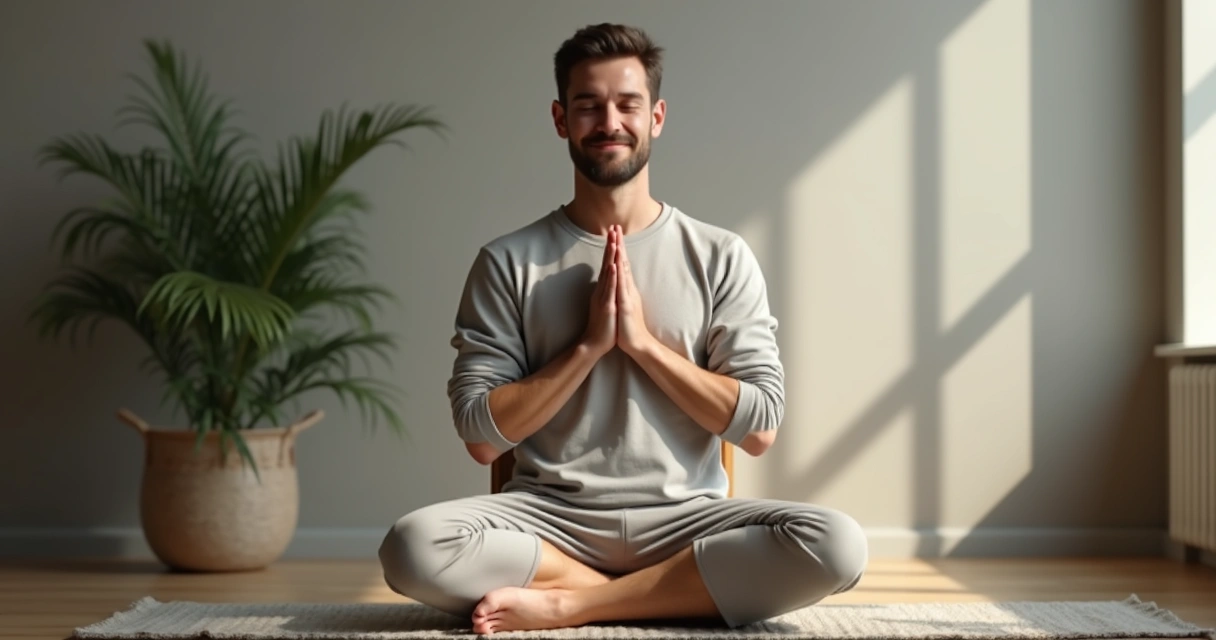
Here are a few tips that have proven helpful:
- Find a posture that supports your spine without effort.
- If sitting on the floor is difficult, use a chair or cushion.
- Check in with your body periodically. If you notice clenching or unease, adjust as needed.
- Allow small movements—shifting weight, relaxing shoulders, softening the jaw.
Getting lost in self-judgment
Perhaps the hardest habit to shake is criticizing ourselves throughout the practice. Many people say, “I can’t do this,” or “My mind is too busy, I’m not good at breath awareness.” The truth is, self-judgment is just another mental event.
No one is perfect at noticing the breath. That’s normal.
Compassion and humor make breath awareness more enjoyable and sustainable. It helps to remember that distraction, restlessness, and impatience are parts of being human. Each moment of noticing, each time we come back to the breath, counts as practice. There is no failure—just one more opportunity to wake up and start again.
Conclusion
Even though breath awareness is simple, it challenges many habits and beliefs we hold about ourselves. By watching out for these five common mistakes—controlling the breath, expecting quick results, pushing away thoughts, holding stiff posture, and judging ourselves—we set the stage for a more natural and positive experience. What we have seen over the years is that small changes in attitude can open great space for learning.
Awareness grows in everyday presence, not perfection.
With patience, kindness, and a willingness to return, the journey of noticing our breath can become both steady and rewarding. We can trust the process, let go of the need for control, and enjoy each step as it comes.
Frequently asked questions
What is daily breath awareness practice?
Daily breath awareness means spending time each day noticing how we breathe, on purpose, without trying to change or fix anything. We simply bring gentle attention to the natural flow of the breath, which helps us connect to the present moment and our bodily states. This can be done sitting, standing, or lying down, and does not require special equipment.
How to avoid common breath awareness mistakes?
We find it helps to approach breath awareness with kindness, patience, and curiosity, rather than strict expectations. Allow the breath to move as it likes, be mindful if the mind judges or drifts, and return with gentleness. Take time to adjust your body if needed, and treat every moment of starting again as part of the practice.
Why does my mind wander during practice?
The human mind naturally produces thoughts, daydreams, and worries, even when we want to focus on breathing. This wandering is not a failure. Bringing our attention back each time helps train awareness, just like repeating a physical skill builds strength. Over time, returning becomes easier, and we learn how to remain calm and focused even with distractions.
How long should I practice daily breath awareness?
Some people start with just a few minutes, while others gradually work up to twenty or thirty minutes a day. There is no fixed rule; what matters is the regularity more than the length. Even one to five minutes of mindful breathing can bring benefits if done every day. We encourage starting with what feels realistic and growing from there.
Is it okay to skip breath awareness sometimes?
Missing a practice from time to time is part of life and nothing to worry about. If a day is missed, we can simply return the next day without guilt or self-criticism. What matters most is showing up again, letting go of perfection, and building a regular rhythm that fits our real life.