
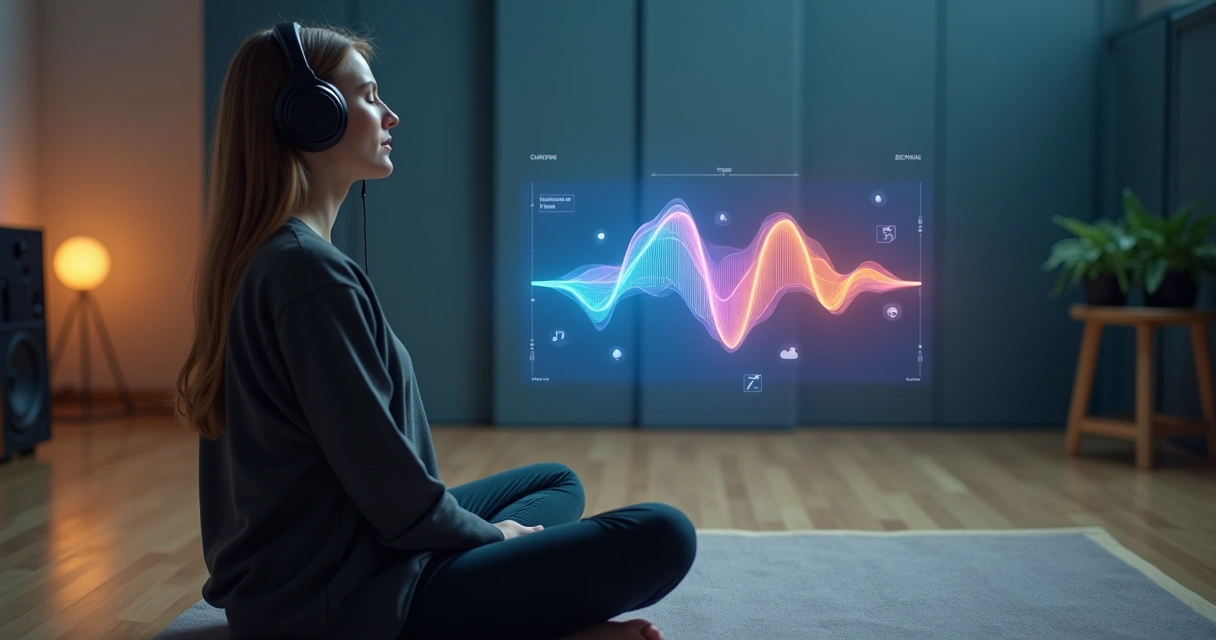
We encounter music everywhere: in the background of cafés, while exercising, during celebrations or simply when we need to reset after a long day. Often, we catch ourselves breathing in sync with the music’s beat—tapping our feet, nodding along, or even finding our mood shifting with every change in tempo. This dance between music, breath, and emotion is far from random. There is science behind it, and understanding this connection offers us a deeper way to engage with our own sense of presence and mood.
Why tempo matters: The foundation of our reactions
The tempo of a piece of music refers to its pace, usually measured in beats per minute (BPM). If we listen closely, we might notice that our breath and heart rate sometimes speed up or slow down to match this tempo. This physical response is not just curiosity—it's rooted in how our bodies respond to external rhythms.
According to research on autonomic entrainment to music, faster musical tempos and higher volume are strongly linked to increased respiratory and heart rates. When we immerse ourselves in energetic music, our bodies naturally fall into step, responding as if preparing for action or movement, even if we are sitting still.
Fast beats push us forward, slow rhythms slow us down.
For many of us, this can explain why we reach for upbeat playlists when we want to feel energized and turn to softer, slower tracks when it’s time to unwind.
The science behind music, breathing, and the autonomic nervous system
Our breathing rhythm and our mood are tightly bound by the autonomic nervous system, which regulates involuntary bodily functions such as heart rate and respiration. Music’s tempo can stimulate this system in profound ways.
For example, studies have shown that fast-tempo music increases sympathetic nervous system activity. However, this effect becomes most pronounced when the listener is already breathing at a faster rate—suggesting that music’s effect is not one-way but forms a feedback loop with our own bodies. When we sync our breath to the quick pace of a song, our stress levels and alertness can rise. In contrast, slower music can activate the parasympathetic system, bringing a state of rest and recovery.
Structured musical activities reveal another layer of this connection. According to a study of group singing, participants’ heart rates became synchronized with the breathing patterns set by the tempo of the music. Hymns, chants, and mantras with steady, slow tempos guided singers toward slower, deeper breaths—often leading to a calm and focused group state.
Tempo as a tool for changing states
Given this knowledge, we can treat tempo not only as a musical property but as a practical tool for shaping our internal experience. We have noticed that the influence of tempo can be harnessed in several everyday situations:
-
Relaxation and stress reduction: Gentle music with a slow tempo (around 60–80 BPM) encourages slow, diaphragmatic breathing, which helps activate relaxation responses. In our own experience, listening to calm instrumental pieces or soothing ballads creates a background for reflection and emotional release—especially after tense or anxious moments.
-
Focus and concentration: Moderate tempos (around 90–110 BPM) can support a steady, attentive state, allowing us to work, read, or study without drifting into drowsiness or feeling overstimulated.
-
Energy and movement: Fast tempos (120 BPM and above) stimulate quick, shallow breathing and heightened alertness, ideal for exercise or combatting fatigue. We’ve noticed that picking the right playlist can turn a slow afternoon into a time of motivation and movement.

The mood connection: Why tempo shapes how we feel
Music affects our mood by changing our arousal levels and breathing rhythms. Upbeat tempos often feel happy or exciting because they make our hearts race and our blood pump a little faster. In contrast, slow music brings us down to a peaceful, sometimes even nostalgic, emotional state.
This isn’t only about the BPM. Expectations and personal associations also contribute. A slow song played during a joyful moment will likely evoke different feelings than the same song in a time of loss. Still, tempo lays the emotional groundwork.
-
Fast tempos can push us toward joy, excitement, or even agitation, depending on the context and our needs in the moment.
-
Slow tempos guide us into rest, comfort, sometimes sadness, but also acceptance and openness.
Breathe to the rhythm you want to feel.
Practical ways to use music tempo for self-care
We believe that anyone can use the relationship between tempo, breath, and mood to shape daily experiences—no special equipment or training needed. Here are a few simple approaches:
-
Conscious listening for relaxation: When feeling anxious, select quieter music with a consistent, slow beat. Pay attention to your breathing, allowing it to slow and deepen in time with the music.
-
Energizing the body and mind: Before exercise or if needing a midday boost, try music with a fast, uplifting tempo. Let the beat spark movement or action, and notice how your breathing accelerates naturally.
-
Group activities and harmony: In group settings—whether social or in shared rituals—use music with steady tempo (such as chants or folk songs) to guide everyone into shared breathing and cohesive mood. This technique is especially effective in classrooms, meditation sessions, and community gatherings.
-
Transitional moments: Use changes in music tempo to consciously shift state—from rest to focus, or tension to calm, by creating small, intentional playlists that transition smoothly.
Experimenting with these strategies often leads to a deeper sense of body awareness and self-regulation.

What shapes our individual experiences?
It's true that music's impact isn't universal. Our emotional reactions also depend on:
- Personal taste and memory
- Current environment
- Mood before listening
- Level of attention paid to the music
Some may find fast tempos overwhelming when tired, while others may use them as a wake-up call. The key is to become aware of your own sensory preferences, experimenting with tempos and consciously noting changes in breath and state.
Conclusion
We see again and again that music acts like a bridge between the external world and our inner states. Tempo, more than almost any other musical feature, taps directly into our breathing and mood.
Rhythm is not just in the music; it’s in us.
Fast tempos stir action and tension. Slow tempos soothe and center. In becoming more aware of how these patterns influence our breathing, we claim a new kind of ownership over our own vitality and tranquility. The next time you choose a song, pause to notice how its tempo shapes your breathing and your mood—then decide if it is guiding you where you wish to go. With each beat, lies a choice to shape the quality of our present moment.
Frequently asked questions
What is music tempo?
Music tempo refers to the speed or pace of a song, usually measured in beats per minute (BPM). Faster tempos have more beats per minute, while slower tempos have fewer.
How does tempo affect breathing?
Tempo can directly influence our breathing rhythm by inspiring us to breathe faster with upbeat music and slower with gentle, calm tracks. This happens because our physiological systems often synchronize with the external rhythm of the music.
Can slow music improve mood?
Yes, slow music can help calm the mind and body, lower stress, and promote relaxation. Slow tempos encourage deeper, slower breathing, which is linked to improved emotional states and reduced anxiety.
What tempo is best for relaxation?
Generally, a tempo around 60 to 80 BPM is found to support relaxation. This range helps guide the listener toward slow, steady breathing, activating the body’s restful state.
Does fast music increase heart rate?
Fast music often raises heart rate and breathing speed, especially when we allow our bodies to follow the music's rhythm. This effect has been documented through scientific studies of music’s impact on the cardiovascular and autonomic nervous systems.