We often think of breathing as a private act. Quiet. Hidden. Automatic. Yet the space around us shapes every breath we take, and natural light is one of the strongest influences in that space.
When we sit in a dim room for hours, our body can lose its sense of rhythm. We may feel dull, tense, or oddly restless. Then we step near a bright window, or walk outside in the early sun, and something shifts. Our chest softens. Our breath slows. We become easier to notice.
Natural light supports conscious breathing by helping the body regulate alertness, mood, and internal timing.
We see this connection as both physical and mental. Breathing is not only about the lungs. It is tied to attention, emotion, posture, and nervous system balance. Light touches all of these.
Why light changes the way we breathe
Natural light helps guide the body clock. This daily timing system affects sleep, waking, hormone release, body temperature, and mental clarity. When that rhythm is stable, breathing practices usually feel more natural. When it is off, breath can become shallow, rushed, or hard to follow.
In our view, this is one reason many people say they breathe better outdoors, even without trying. The body reads daylight as a sign of orientation. It knows where it is in the day. That sense of timing can reduce internal confusion.
A cross-sectional study with Brazilian workers found that each added hour of daytime natural light was linked with better sleep and mental health outcomes. Higher daytime light exposure was also tied to lower odds of depression and fewer sleep disruptions in some groups. We think this matters for breathing because sleep and mood directly affect respiratory patterns, body tension, and how easy it is to stay present.
Light teaches the body when to open.
When the body feels safe and awake in a balanced way, conscious breathing becomes less forced. We do not have to fight for attention as much.
What happens in the nervous system
Breathing changes with stress. Most of us know this from experience. A hard email, a loud noise, a dark morning after poor sleep, and suddenly the breath rises into the upper chest. It gets fast. Small. Uneven.
Natural light can help interrupt that pattern. Not by magic, but through regulation. Bright daylight, especially early in the day, helps the brain set a clearer signal for wakefulness. Later, that rhythm supports evening rest. A better cycle often means less strain on the nervous system overall.
When the nervous system is more settled, breathing becomes easier to observe and guide.
This can show up in simple ways:
Less breath holding during mental tasks
Lower shoulder tension
More stable inhale and exhale length
Better awareness of pauses between breaths
We have noticed that people often blame themselves when breathing practice feels difficult. But sometimes the issue is not lack of discipline. It is lack of environmental support. A body that has not seen enough daylight may feel foggy by day and overstimulated by night. In that state, even gentle breath awareness can feel harder than it should.
Morning light and breath awareness
Morning light deserves special attention because it gives the clearest signal to the body clock. This is one reason many people feel mentally sharper after spending a few minutes outside soon after waking.
We do not need a long ritual to feel the effect. Even a short period near daylight can change how we meet the next hour. Breath awareness tends to become more stable when the eyes and brain receive that morning cue.
Here is a simple sequence we often recommend:
Wake and avoid rushing into screens.
Stand near a window or step outdoors for a few minutes.
Keep the spine relaxed and the jaw loose.
Notice the inhale without changing it.
Lengthen the exhale only if it feels easy.
This order matters because awareness usually works better before control. If we begin by trying to force a perfect breath, tension often rises. If we begin with light and observation, the breath may organize itself.
Light, posture, and the chest
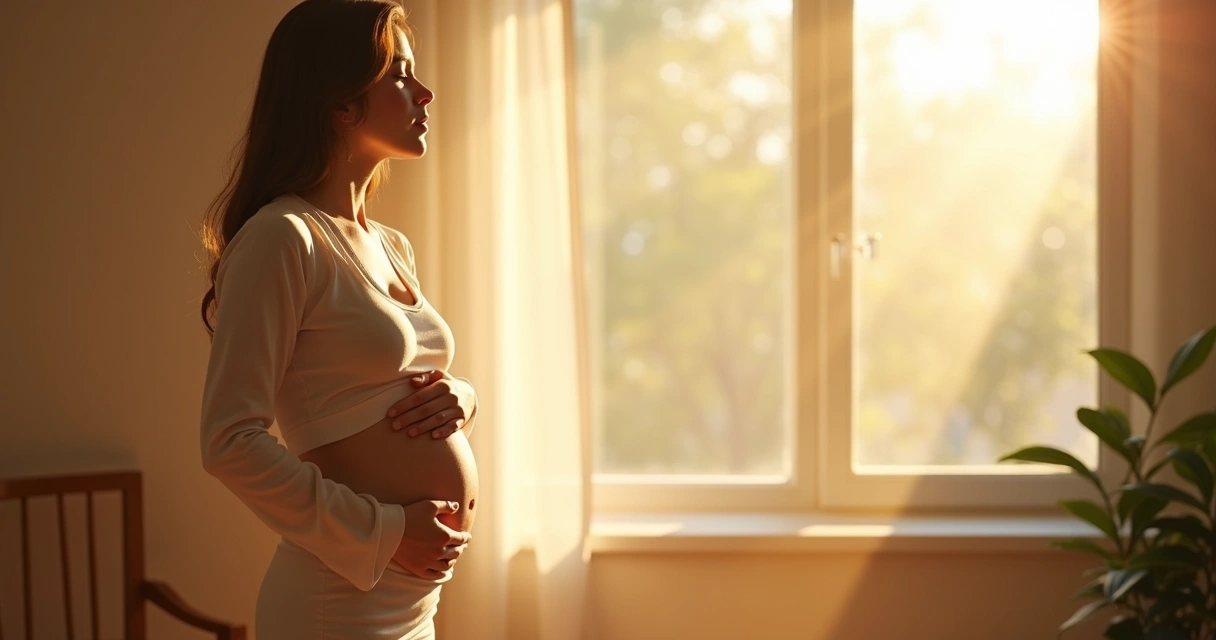
There is also a physical side to this. Natural light changes behavior. In bright, open spaces, we tend to move more, lift the head more often, and feel less collapsed into the body. In dark spaces, we often fold forward, stare down, and breathe into a narrower chest.
That postural shift is easy to miss. Still, it matters.
Natural light can improve conscious breathing indirectly by inviting a more open posture.
A more open posture may support:
Wider rib movement
Less neck strain during inhale
More contact with diaphragmatic breathing
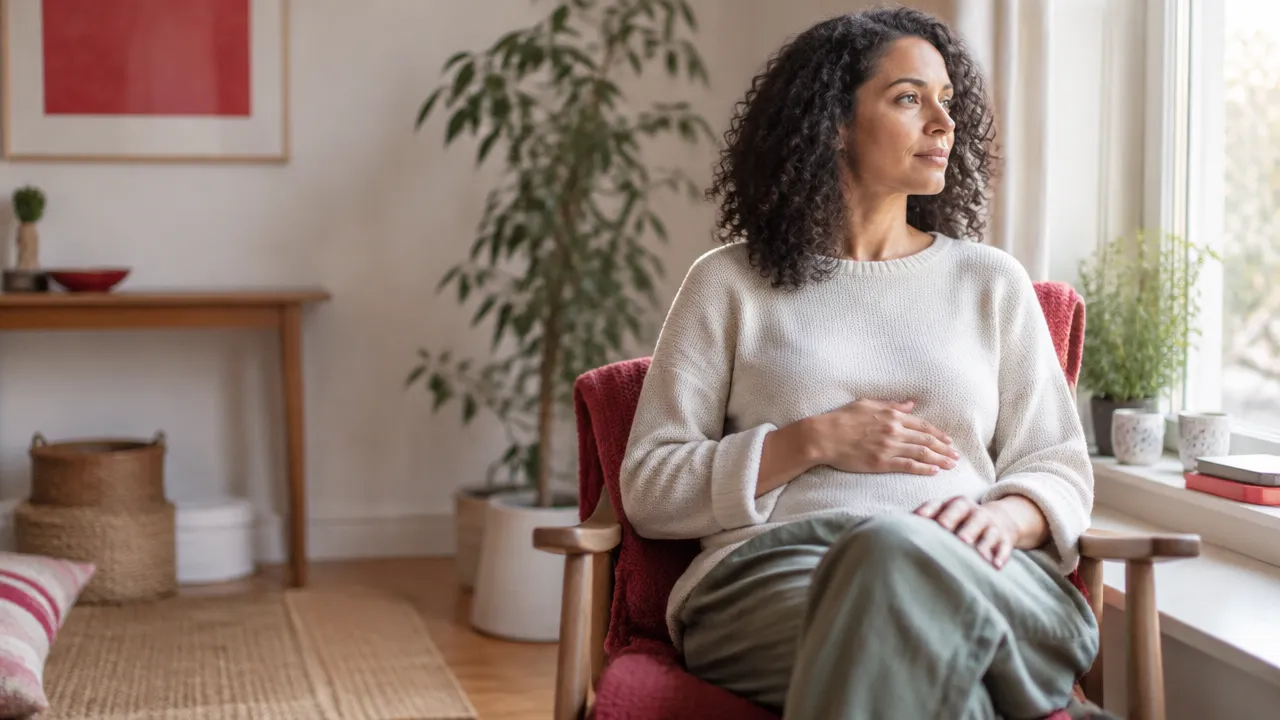
We once watched this happen in a very ordinary moment. A person spent most of the morning working under weak indoor light, shoulders rounded, breath nearly silent. After moving to a balcony with daylight for ten minutes, the change was visible. The neck released. The exhale deepened. Nothing dramatic. Yet everything was different.
How to pair daylight with breathing practice
We do not need a complex method. What helps most is regular contact with light and a simple breath practice that does not create strain.
A helpful approach is to connect natural light with one stable moment of the day. This gives the mind a cue. Over time, the body starts to expect calm attention in that setting.
You can try one of these options:
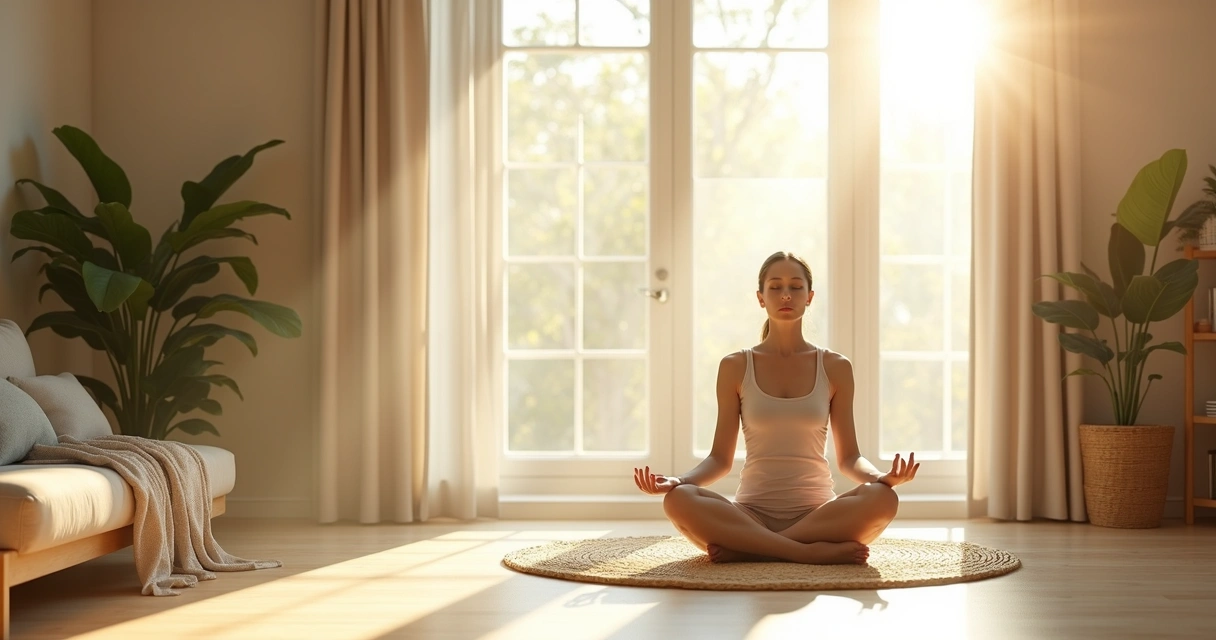
Three minutes of nasal breathing by a window after waking
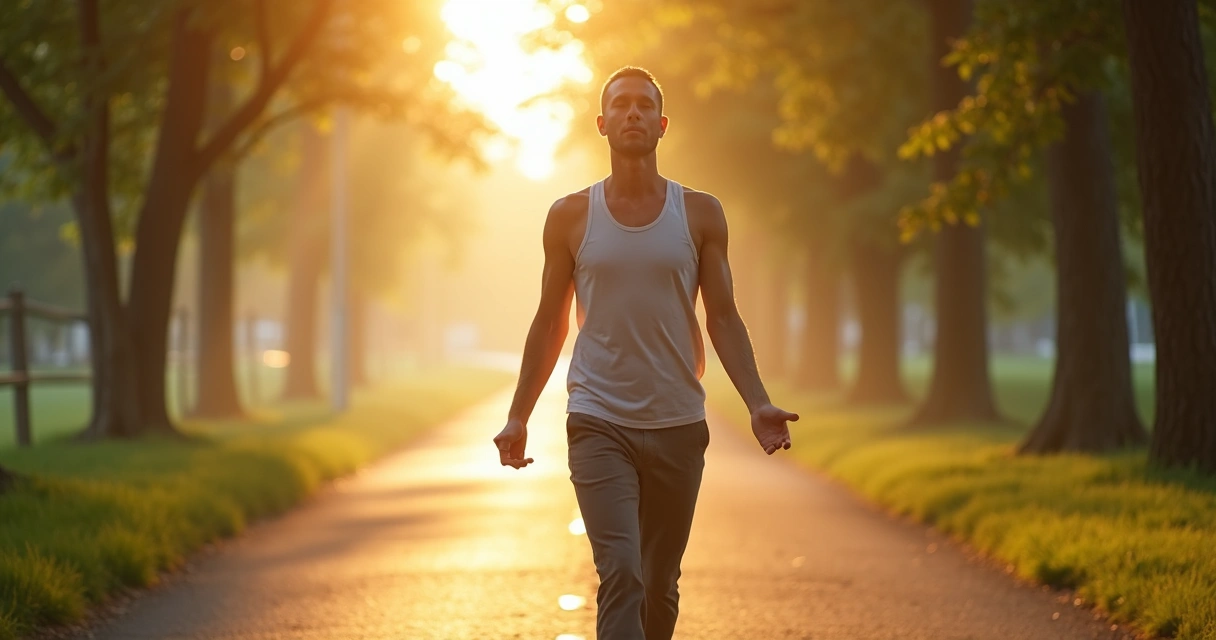
A slow outdoor walk with awareness of footstep and exhale
A midday pause in daylight before returning to work
Sitting in late afternoon light and counting five soft breaths
Short practice is often enough. In our experience, consistency does more than intensity. A calm daily contact with light can train perception in a steady way.
When indoor life weakens the connection
Many of us live in spaces with poor daylight. We wake before sunrise, commute in closed vehicles, work under artificial light, and return home already tired. Over time, this can flatten body rhythms. Breathing may start to mirror that flatness.
This does not mean indoor life ruins breath awareness. It means we may need to restore the missing signal on purpose. Open curtains early. Take breaks near windows. Step outside when possible. Even brief contact with daylight can help reset attention.
We should also be honest. Artificial light has value, but it does not fully copy the richness of natural daylight across time, color, and intensity. The body reads those differences.
Conclusion
Natural light does more than help us see. It helps us time the day, steady the mind, and soften the body patterns that interfere with breathing awareness. When we receive enough daylight, especially earlier in the day, conscious breathing often feels less like a task and more like a return.
We think this is the deeper lesson. Breath does not happen apart from life. It responds to the room, the hour, the light, and the state of mind we bring into practice. If we want better breathing, we should not look only inward. We should also look at the light around us.
Breathe where the day can reach you.
Frequently asked questions
What is conscious breathing with natural light?
It is the practice of paying attention to the breath while exposed to daylight, such as near a window or outdoors. The light helps the body feel more awake and oriented, which can make breath awareness feel steadier and more natural.
How does sunlight affect my breathing?
Sunlight can affect breathing by supporting mood, sleep rhythm, and nervous system balance. When these areas are more stable, the breath is often slower, deeper, and easier to notice without force.
Is morning light better for breathing exercises?
Morning light is often a good choice because it gives the body a strong signal that the day has started. This can help sharpen attention and support a calmer breathing practice, especially after waking.
Can indoor lighting replace natural sunlight?
Indoor lighting can help visibility, but it does not fully replace natural sunlight. Daylight changes in strength, angle, and color through the day, and the body responds to those patterns in ways that most indoor lighting cannot fully match.
How to get more natural light daily?
You can get more natural light by opening curtains early, sitting near windows, taking short outdoor breaks, walking in the morning, or spending part of your routine in daylight. Small daily exposure can still make a real difference.