

Careful parenting often starts with quiet moments. In our own experience, we notice that when family life turns hectic, the simple act of breathing brings us back together. The way we guide children—and ourselves—through stress, play, or bedtime, shapes not only daily habits but also the fabric of our relationships. Breathing is the thread connecting body, mind, and emotion. When we practice it consciously as a family, we create space for patience, understanding, and empathy to grow.
Why mindful parenting and breath go together
We have seen how conscious breathing transforms not just anxious kids but tired parents too. When we pause for breath, we show our families that calm is possible. Children watch, listen, and learn from us. If we use breathing to slow down, talk gently, and pay attention, they gain tools for handling big feelings and small frustrations.
Slowing down is a gift we can give to both ourselves and our children.
With practice, breathing together becomes a safe place to return when tempers are short, or confusion hits. This simple act is more powerful than it may first appear.
How does family breathing work in practice?
Breathing techniques for families involve routines that everyone can join—regardless of age. We have found that consistency brings the best results, but flexibility is key. Some days, a short pause is enough. On others, deeper breathing makes sense.
When to use mindful breathing in daily family life
We encourage families to find their own moments for breath:
- Before meals, to gather everyone's attention
- After arguments, to reconnect and begin anew
- During transitions, like leaving home or returning from school
- Before sleep, for a gentle end to the day
- While waiting (at appointments, in traffic), to turn frustration into presence
What counts is that the pause is shared. Even thirty seconds matter.
Simple breathing techniques for all ages
Some techniques are easiest for children, while others work better for older kids or adults. We recommend starting with the exercises below and adapting them as needed.
1. Balloon breathing
This technique is playful and visual, so most young children pick it up fast. We guide the family to sit or stand with one hand on their belly. As they breathe in through the nose, everyone imagines their belly as a balloon, growing round and full. On the out-breath, the balloon deflates. Sometimes, we even add sound effects or gentle blowing motions to make it more fun.
Balloon breathing teaches kids to use their diaphragm; this can help them calm down quickly during stressful moments.2. Box breathing for older kids and parents
We introduce box breathing once children are comfortable with basic awareness. Everyone sits with a straight spine. We breathe in for a slow count of four, hold for four, exhale for four, and pause for four. Many families find it helpful to trace the sides of an imaginary box in the air with their finger while they count.
Box breathing brings structure to breath and is especially helpful during anxiety or before big events.3. Counting breaths together
For this one, we all sit together and breathe quietly, counting each inhale as “one”, each exhale as “two”, up to ten. If anyone loses track, we just start again, without judgment. This feels like a small family challenge, lightly competitive, but mostly focused on attention.
4. Humming bee breath (bhramari)
We sit comfortably and close our eyes (or not, if that feels strange). Inhale slowly, then exhale with a gentle humming sound, like a bee. The vibratory sound is soothing, and even young children enjoy the novelty. We often finish this with a laugh.
Sound and vibration during breathing can ease physical tension and shift focus away from worries.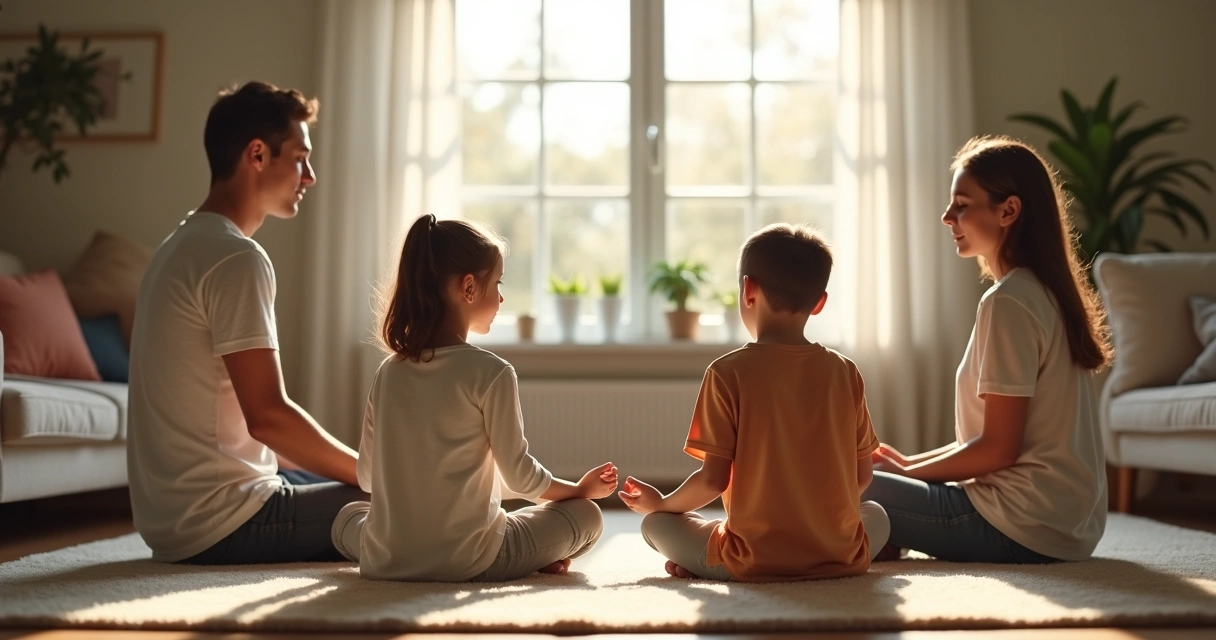
Making mindful breathing a family habit
We understand that daily routines can feel crowded. The best way to weave breathing into family life is to anchor it to an already existing routine. For instance, combine breathing with bedtime stories, after washing hands before meals, or in the car right before leaving for school.
It helps if everyone participates. Children copy adults, so when parents join in, breathing becomes group play or family ritual, not another rule. We suggest trying:
- One-minute “breathing breaks” during homework or chores
- Shared breaths before difficult conversations or apologies
- Breathing to help shift moods when someone in the family feels sad, angry, or restless
We believe in gentle encouragement instead of pressure. If a child resists, let them watch at first. Curiosity usually brings them in eventually.
Dealing with common challenges
Sometimes, someone in the family rolls their eyes or just refuses to participate. This is normal. In our experience, the trick is not to force it. Instead, we recommend:
- Keeping sessions short and light-hearted
- Using funny sounds or movements for younger children
- Letting other family members join when ready
When the atmosphere is safe, new habits have a better chance to grow.
We have also noticed that when adults admit they find breathing helpful, kids show more interest. Sharing a personal story, like “When I am upset at work, I use this breath to calm down,” sets a real-world example.
Breathing for emotional moments in family life
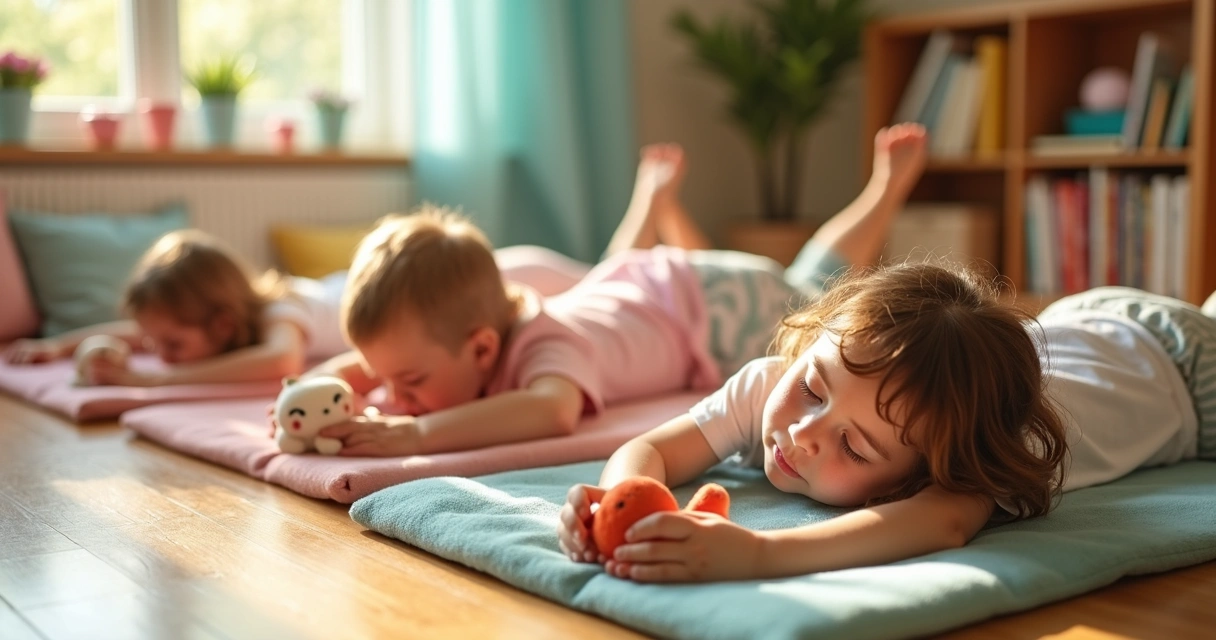
Big emotions visit every household. We have seen time and time again that mindful breathing provides a first step back to comfort when tears flow or tempers rise. In moments of sibling fights, homework frustrations, or exhaustion, a pause for breath can help reset the energy in the room.
Breathe in, breathe out, and wait: this is often the difference between a lasting conflict and quick repair.Children can learn to notice their breath before shouting or storming off. Parents, too, can stop themselves from saying things they regret.
Conclusion
Bringing mindful breathing into the family isn’t about being perfect. We believe it’s about showing up, over and over, with presence and patience. Each breath together becomes a lesson in resilience. Families who breathe, listen, and grow together build foundations of empathy, self-awareness, and connection that last.
Frequently asked questions
What is mindful parenting breathing?
Mindful parenting breathing means using simple breath awareness exercises to help both parents and children become more present, calm, and connected. These techniques support families during daily routines or stressful moments by focusing attention on the breath and welcoming calm into the home.
How can families practice breathing together?
Families can practice by setting aside regular moments—like before meals or bedtime—or by using breathing techniques after conflicts or during transitions. Sitting in a group, following the same pattern of breathing, and sharing the experience makes it easier for everyone to join in.
What are the benefits for children?
Children benefit from mindful breathing with better emotional regulation, more focus, fewer meltdowns, and improved sleep. It also helps them learn to pause and respond thoughtfully instead of reacting impulsively to strong feelings.
How often should we do these exercises?
Regular short sessions—just a minute or two—can be helpful daily, especially during natural transitions or before rest. The key is to practice consistently, without making it feel like a chore. Over time, families can add more or adjust as needed.
Are breathing techniques safe for kids?
Most basic breathing techniques described are safe for children when practiced gently and without force. Young children should always be supervised, and exercises should remain simple, playful, and short. If a child has any health concerns, it is best to check with a medical professional.