We live in a world filled with screens, scrolling, and an endless stream of online notifications. Many of us find our attention pulled in several directions at once—sometimes even before we leave bed in the morning. It raises a question: are our minds equipped for this pace? And further, is there a way to regain focus when distraction feels like the new normal?
What happens to our attention on social media?
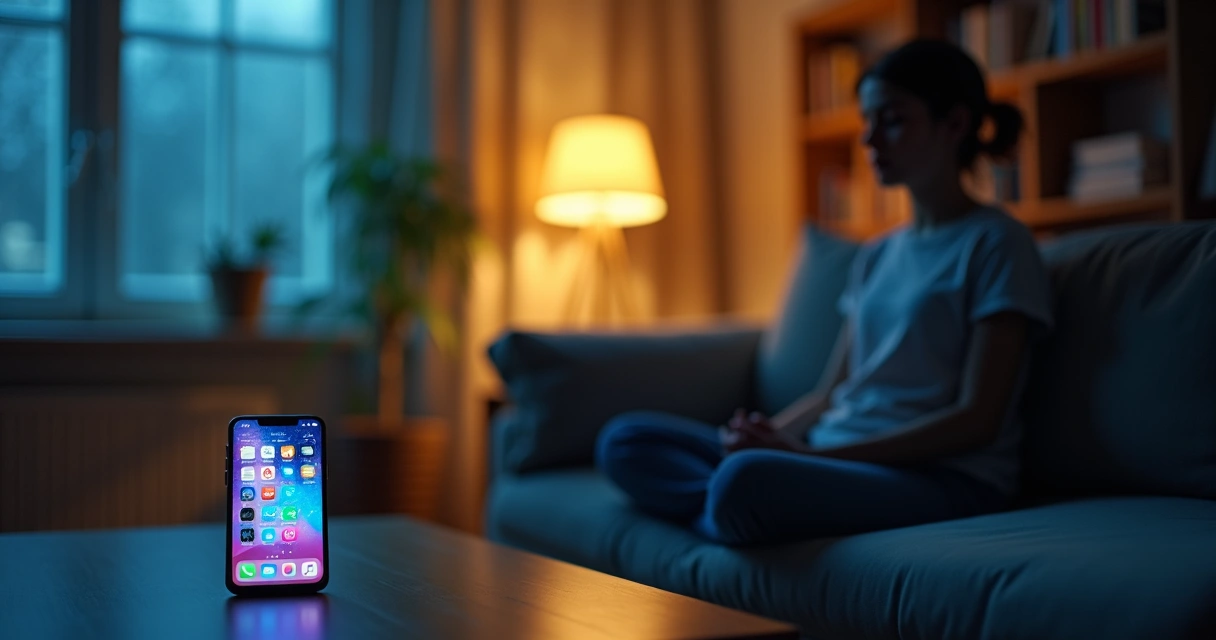
From the moment we unlock our phones, bright icons and alert symbols compete for our eyes. Social platforms are designed to keep us engaged—but often, that means keeping us distracted. We have noticed people switching between apps in seconds, rarely settling in one mental space for long.
Social media encourages quickly shifting attention, which may weaken our ability to stay focused on one task over time. This environment, for many, leads to:
- Shorter attention spans during daily activities
- Difficulty finishing tasks without interruption
- Restlessness or anxiety when not connected
- Disrupted sleep patterns due to late-night usage
In our conversations with people of all ages, we've seen common reactions. Some feel entertained but scattered. Others notice a background sense of mental fatigue. Many wish they could pull their minds back to the present, even just for a few moments a day.
Understanding mindful breathing
Mindful breathing is simple in concept but powerful in practice. It means bringing gentle attention to each breath, noticing the rise and fall without trying to change anything. The technique works by creating a pause—one that allows room to notice, reflect, and reset.
We are often surprised how, after only two or three mindful breaths, the feeling in the room changes. Thoughts slow down. The urge to check a phone or respond to a message can fade, at least temporarily.
Breathe in, and notice. Breathe out, and return.
Mindful breathing is not meditation in its traditional form. It does not require special equipment, long periods of silence, or even a quiet room. Anyone can practice mindful breathing for a minute or less, at any place or time.
How mindful breathing affects attention
When we pay attention to the breath, the mind learns to rest in one experience at a time. It is a way to reset the loop that social media often keeps spinning. Can it really make a difference? Science and real-life stories both suggest that it can.
Breathing with awareness creates a small distance from distractions, which can help us notice and release them, rather than be pulled along. Imagine a moment when you feel the tug to grab your phone—what if, instead, you paused and took three slow breaths?
Gradually, mindful breathing supports a shift from automatic habits to conscious choices. Some benefits that we've observed include:
- Improved self-control over when and why to check social media
- A calmer transition between online and offline tasks
- Greater ability to concentrate on reading, learning, or conversation

Building the bridge: From breath to better focus
The transition from scattered attention to a more focused mind does not happen with a single breath. But each mindful pause can strengthen this bridge. We see mindful breathing as a reminder that we can choose how to respond, even with constant digital input around us.
Here is a simple process we often recommend, especially when you catch yourself lost in a feed or feeling the strain of too much online engagement:
- Notice the urge or impulse, such as reaching for the phone or jumping to another app.
- Pause. Place your feet on the floor. Gently turn your attention to your breath.
- Feel the air move in through the nose. Hold for a second. Then exhale, noticing the sensation leave your body.
- Repeat two or three times. Let thoughts come and go, returning to the breath each time.
- Ask yourself—do you still want to act, or does your choice shift?
This gentle pause can be the difference between automatic scrolling and conscious awareness. Day by day, the practice gets easier, and the effects grow clearer.
Mindful breathing as an anchor in daily life
Beyond social media, we've seen how mindful breathing helps in moments of stress, during study or work, and at mealtimes. It becomes a portable tool—always available, always free.
While we cannot avoid all sources of distraction, we can learn to bring our attention back, again and again. The role of mindful breathing is not to create a perfect focus but to nurture a stronger presence. We become more aware of the present moment, which is where clarity and calm are found.

Small steps for real change
Change begins with one breath. In our experience, the most sustainable results come from releasing the wish for perfection and welcoming each moment as it is. Some people use mindful breathing as a morning reset, others before sleep, and many weave it into daily transitions—before work calls, during study breaks, or whenever the world feels loud.
- Set short reminders to pause and breathe—just twice a day is enough to begin.
- Pair mindful breathing with activities you already do, like brushing your teeth or waiting for a webpage to load.
- Celebrate even the smallest moments of presence rather than counting minutes or breaths.
The more we practice, the more accessible the tether to attention becomes, even in the busiest digital environment.
Conclusion
We believe that our attention is one of our most precious resources. Social media can scatter it, but mindful breathing provides a practical way to regain it. The practice is simple, flexible, and always within reach. Whether used for a few seconds or several minutes, mindful breathing can serve as a gentle guide from distraction back to the present moment.
By choosing to pause, breathe, and notice, we take the first step toward a more focused, intentional connection with both our inner and outer worlds.
Frequently asked questions
What is mindful breathing for attention?
Mindful breathing for attention is the practice of focusing on the natural rhythm of the breath to help anchor the mind in the present moment and reduce distractions. By simply noticing each inhale and exhale, we train our minds to gently return when they wander, making it easier to stay attentive during daily activities.
How does social media affect focus?
Social media often encourages rapid switching between information and tasks, which can make it difficult to maintain focus for long periods. Frequent notifications and constantly changing content can teach the mind to expect quick rewards, leading to increased restlessness and a shortened attention span.
Can mindful breathing reduce screen time?
Mindful breathing helps us notice the urge to check devices or stay online. With practice, we may interrupt automatic habits, leading to shorter or more conscious screen time. While mindful breathing does not directly turn off devices, it supports greater awareness of digital habits.
Is mindful breathing worth trying for distractions?
Yes, many find that mindful breathing creates a space between impulse and action. Even just a few slow breaths can shift mood, calm mental chatter, and make it easier to focus on what matters. It is simple to try and does not require much time or preparation.
How can I start mindful breathing practice?
Begin by setting aside 30 seconds to one minute. Sit or stand comfortably, close your eyes if you like, and focus on the sensation of your breath coming in and going out. When thoughts arise, gently return to your breath. Consistency matters more than duration—start small and let the habit grow naturally over time.