

We have all noticed ourselves sighing, sometimes in the middle of an overwhelming day, after a stressful moment, or simply when lost in thought. It’s an act so natural that we rarely stop to think: Why do we sigh so often and what purpose does it serve? In our experience, sighing carries much more meaning than a simple pause or a sign of annoyance.
What is a sigh exactly?
A sigh is a deep, often involuntary inhalation, followed by a long exhale. It stands out from regular breathing as it draws in more air. We recognize it because the chest expands more, shoulders may rise, and the exhalation can be audible, often longer and deeper than usual.
Our bodies sigh subconsciously several times each hour, and these periodic deeper breaths have a very specific physiological purpose. It’s not only an emotional cue, but a built-in part of keeping our respiratory system functioning smoothly.
The biology behind sighing
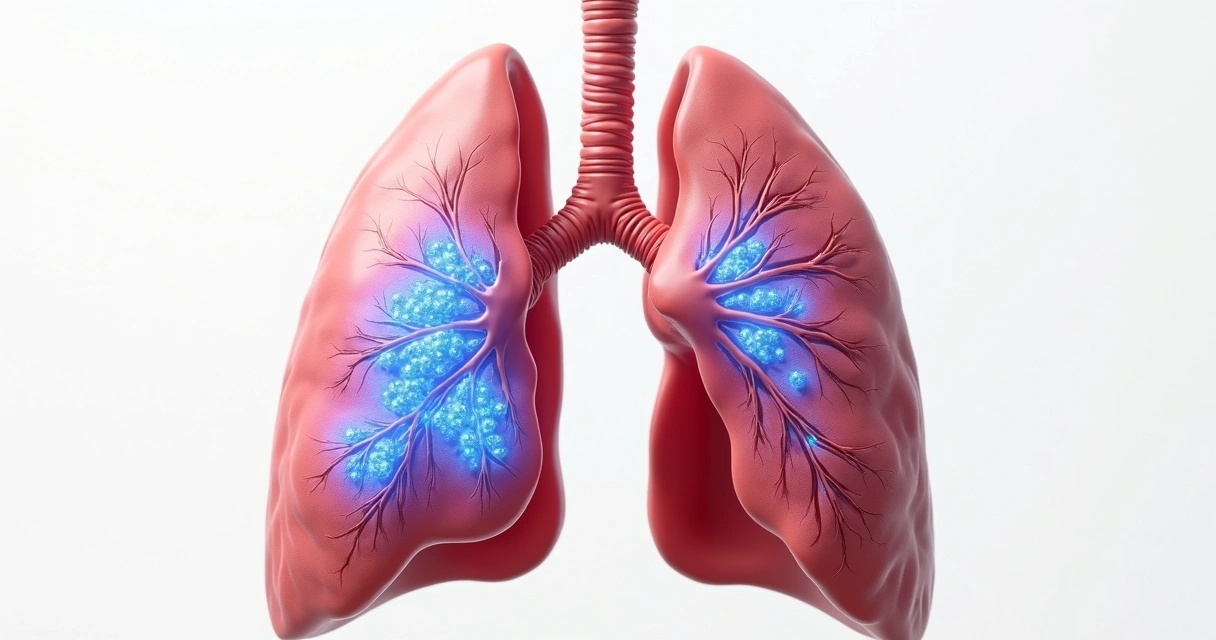
From a biological viewpoint, sighing acts like a reset button for our lungs. Inside our lungs, tiny air sacs called alveoli allow oxygen to pass into the blood. Throughout the day, some alveoli start to collapse or become less effective. Normal breaths are not always enough to open them up again.
When we sigh, it brings in about twice as much air as a normal breath. This extra intake reinflates the alveoli, restoring lung flexibility and keeping gas exchange efficient.
- Sighing increases lung volume temporarily.
- Collapsed alveoli reopen, improving oxygen and carbon dioxide exchange.
- The body prevents long-term reductions in lung function.
It’s vital to understand that sighing is not a flaw or a quirk. Rather, it’s a built-in maintenance method our bodies use, quietly working in the background. Sometimes we might notice ourselves sighing more during anxiety, fatigue, or boredom, but we sigh even when we aren’t aware of it.
Emotional sighs: The mental and emotional link
We have found that sighing is not only about lung health. Sighs are also signals of emotional and psychological states, often acting as a bridge between our body and mind. Think of the last time you let out a heavy breath during frustration or relief. That sigh wasn’t just about air, but an outward sign of an inward feeling.
Researchers studying emotions identify sighing as a physiological response tied to complex mental states. Common moments include:
- Relief when a crisis is over
- Frustration after repeated attempts or failures
- Sadness, disappointment, or resignation
- Preparing for a challenging task
- Boredom or mental fatigue
It helps to note that a sigh can often signal a shift or release—a reset not only for the body but for our feelings too.
A sigh can carry relief, sadness, or a quiet hope.
This link between body and mind explains why intentionally sighing can sometimes help us transition from one mood to another, letting go of built-up tension or welcoming a moment of acceptance.
Why does sighing feel good?
Anyone who has experienced the calm after a big sigh knows it. There is a gentle wave that follows—a loosening of the chest and sometimes a small smile or a drop in the shoulders. We believe this is more than coincidence.
Physiologically, sighing increases the stretch in lung tissue, which sends signals to the brain to relax the breathing muscles. This action can have a ripple effect, reducing the “fight or flight” response, slowing the heart rate slightly, and providing a sensation of relief for both body and mind.
Deep breaths cue the parasympathetic nervous system to engage, promoting a state of calm and rest. That is why many traditional and modern relaxation techniques use deep, rhythmic sighs to reduce anxiety and foster clarity.
What triggers an unconscious sigh?
Though many sighs happen outside our awareness, we have noticed typical triggers that increase their frequency:
- Stressful or anxiety-inducing situations
- Extended periods of focused activity
- Lack of movement or sitting still for too long
- Moments of boredom or monotony
- Physical tiredness after effort
These moments place extra strain on the mind and body. Sighing helps counterbalance by resetting the breathing rhythm, freeing us to stay present.
The body’s built-in reset button: Deep sighs and homeostasis
We view sighing as the body’s own way of maintaining homeostasis—keeping everything balanced and running smoothly. Even if we do nothing, our brains are wired to create and regulate these periodic deep breaths.
When our breathing gets more shallow, for instance during stress or distraction, sighs naturally become more common. These deeper breaths help us return to a regular rhythm and restore balance.

When is sighing too much?
Ordinary sighing is healthy and expected. However, if sighing becomes very frequent—enough to draw attention from those around us or cause us distress—it can be a sign to pay attention.
Excessive sighing can sometimes be related to emotional challenges like anxiety, depression, or even respiratory conditions. If we spot a pattern where sighing feels forced, uncomfortable, or paired with breathlessness, it may indicate an underlying issue worth discussing with a healthcare provider.
How deep breaths support awareness and presence
Beyond the automatic sigh, we can consciously use deep breathing as a way to refocus and ground ourselves. In our studies on awareness, we have seen that a few deep, mindful breaths can shift attention from scattered thoughts or agitation to a sense of “being here, now.”
This is why breath-based exercises are common across traditions and disciplines. The ability to reset, even for a moment, is a tool available at any time—no equipment, no experience needed. Sighing, whether noticed or not, is a subtle form of inner regulation.
Deep breaths bring us back to ourselves.
We encourage recognizing sighs as a part of the body’s wisdom, not a sign of weakness or inattention.
Conclusion
Sighing is both ordinary and powerful. We sigh thousands of times each day, often without realizing the value each one brings.
Whether spontaneous or intentional, sighs open and refresh the lungs, balance our emotions, and invite us to pause and reset.
The next time you notice a sigh—yours or someone else’s—remember that it is a message from within: a gentle reset, a call toward awareness, and a natural act that keeps both body and mind flexible.
Frequently asked questions
What is sighing and why does it happen?
Sighing is a deep, prolonged breath that helps reopen tiny air sacs in the lungs and keeps breathing efficient. It happens both unconsciously and consciously, acting as a maintenance mechanism for our respiratory system and reflecting emotional states.
How does sighing help our body?
Sighing resets the breath cycle by drawing in more air and reopening lung alveoli that may have collapsed during shallow breathing. This ensures better oxygen exchange, supports healthy lung function, and helps maintain a steady balance in the body.
Is frequent sighing a health concern?
Regular sighing is healthy, but very frequent sighing—especially if it causes discomfort or interferes with daily life—might point to emotional or physical conditions such as anxiety, depression, or breathing issues. If this happens, it’s helpful to discuss it with a health professional.
Can sighing help reduce stress?
Deep sighs can calm the body and mind by activating the body’s “rest and digest” response. Taking a few deep breaths can shift us from tension and stress to a more relaxed state, making it a useful tool during moments of pressure or anxiety.
How can I control excessive sighing?
If sighing becomes bothersome, try focusing on slow, even breathing and practicing short breathing exercises. Paying attention to emotional triggers such as stress and seeking support for underlying concerns can also help reduce unwanted sighing.