We are living in an age where daily life often moves at breakneck speed. Our minds become crowded, our emotions volatile, and our sense of connection—both inside and out—can fade. For many of us, discovering how to support our personal awareness and presence is not just a curiosity. It is a necessity. Here, we focus on the relationship between consciousness and the vagus nerve, and share practices for deepening that connection.
The vagus nerve: Our inner messenger
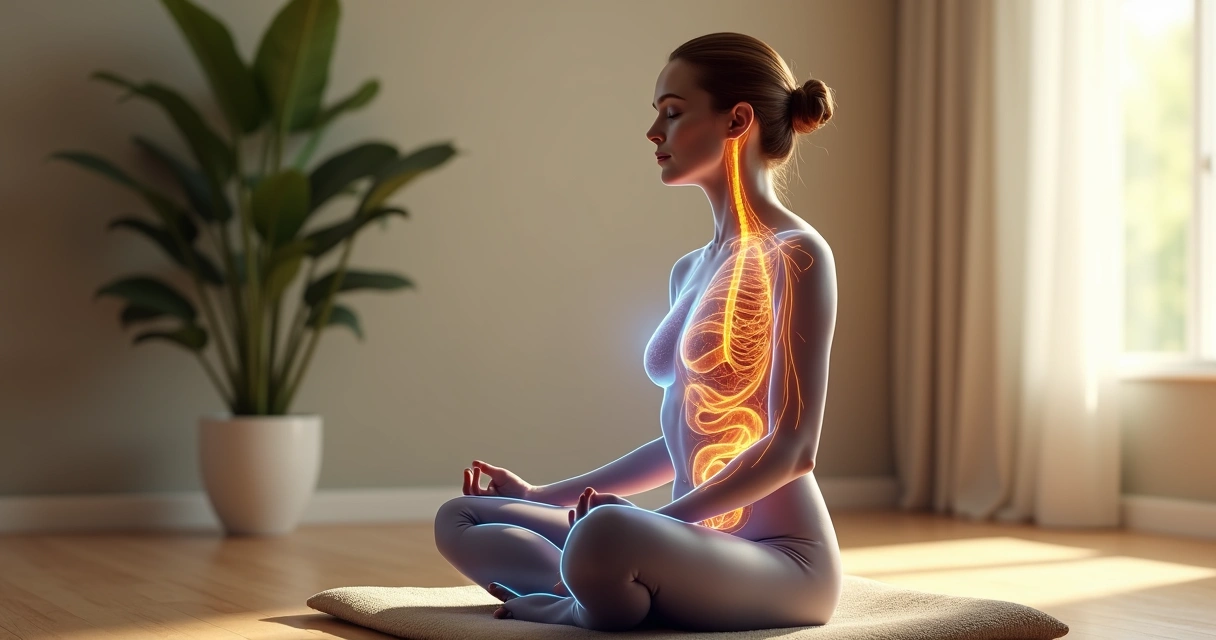
The vagus nerve is the longest cranial nerve in the body. It winds down from the brainstem, through the neck, chest, and abdomen, touching nearly every organ along the way. Its name comes from the Latin word for “wandering”—fitting, because it truly does travel. In recent years, we have seen growing evidence that connects the vagus nerve to physical health, emotional state, and levels of awareness.
The vagus nerve regulates the parasympathetic nervous system. This is sometimes called the “rest and digest” system. When active, it slows the heart rate, supports digestion, and brings a sense of calm. It helps us feel safe, present, and connected. This nerve acts as a communication bridge between body and mind. In our experience, understanding this bridge makes it easier to live with clarity and compassion.
A calm mind often starts with a calm nervous system.
How the vagus nerve supports conscious presence
Many people ask why the vagus nerve matters for consciousness. The answer lies in what it regulates. When we feel threatened, our nervous system switches into alert mode. The heart races, muscles tense, breathing becomes shallow. This is the body’s way of preparing for danger—but it also narrows our focus. We become less capable of self-reflection or empathy. We react, rather than respond. Consciousness fades to survival.
When the vagus nerve is engaged, it signals safety to the body and mind, allowing our awareness to expand beyond immediate stressors. In our experience, this means we can observe ourselves and our environment without a sense of threat. We are able to reflect on thoughts and emotions rather than being ruled by them. The world opens up, and so do we.
Signs the vagus nerve is out of balance
It is not uncommon for us to find ourselves in a state of vagal imbalance. Chronic stress, poor sleep, and emotional upheaval all play a role. So how do you know if your vagus nerve may be out of balance? Here are some signs we have observed:
- Shallow, rapid breathing even at rest
- Inability to calm down after stress
- Digestive discomfort without clear physical causes
- Heart pounding or irregular heartbeat during quiet moments
- Difficulty sleeping or staying relaxed
- Feeling disconnected from emotions or body
While these signs do not always mean something is seriously wrong, they do invite us to pay attention. They are reminders to reconnect with the core of our being. Thankfully, this journey can be supported by simple daily practices.
Practical ways to connect with your vagus nerve
In our experience, supporting vagus nerve health is not difficult, but it does require intention. Here are practices that anyone can use to connect body, mind, and consciousness more deeply.
1. Breath awareness and slow exhalation
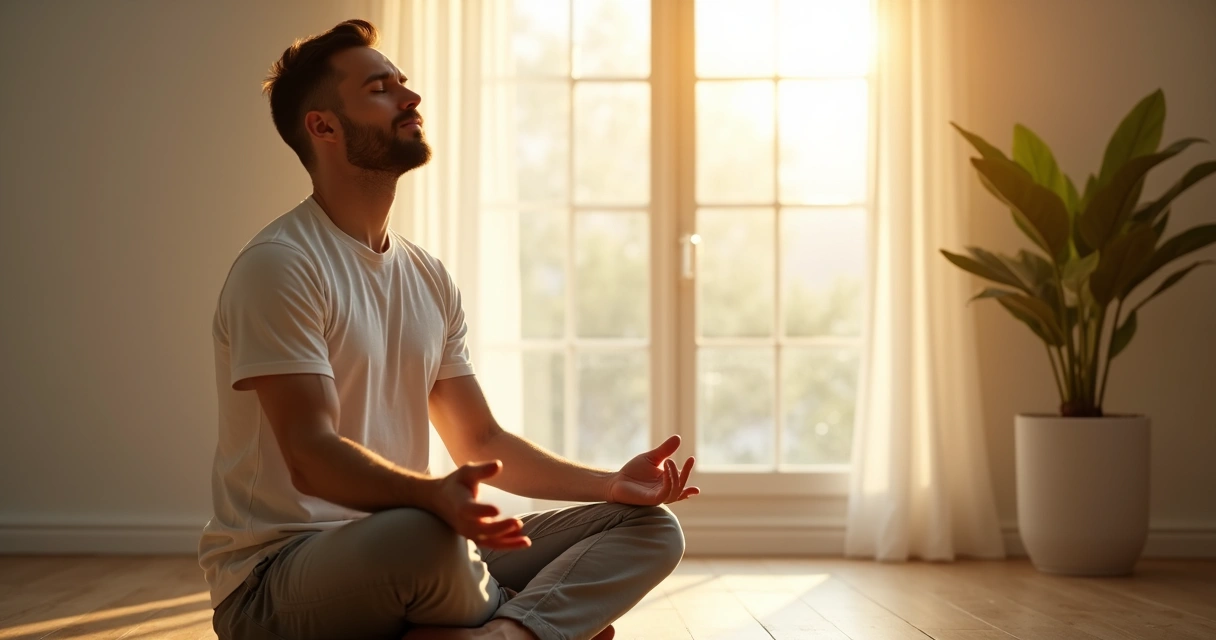
The fastest and most reliable way we know to engage the vagus nerve is through slow, mindful breathing.
- Bring awareness to your breath. Notice its depth, rate, and quality without trying to change it.
- Gently lengthen the exhalation. For instance, breathe in for four counts, then out for six or eight.
- Repeat for several minutes, continuing to notice how your body responds.
Slow exhalation sends a direct signal to the vagus nerve that it is safe to relax. Even doing this a few times a day brings noticeable changes, both physically and emotionally.
2. Sound, vocalization, and humming
The vagus nerve passes through the throat and voice box. This means vibration in this area creates gentle stimulation. We have seen people experience real shifts through:
- Humming a simple melody
- Chanting a soft or deep tone
- Repeating calming syllables aloud or under the breath (such as “mmm” or “om”)
A few minutes of humming can be surprisingly soothing.
3. Cold exposure and face washing
Short exposures to cold can activate vagus nerve pathways. We often recommend simple steps like:
- Splashing cold water on your face in the morning or after a stressful call
- Pressing a cool, damp cloth to your cheeks and neck
- Taking a short, cool shower or ending a shower with cool water
These techniques are easily added to daily routines and require no special equipment. Some people report feeling more awake and grounded within seconds.
4. Gentle movement and stretching
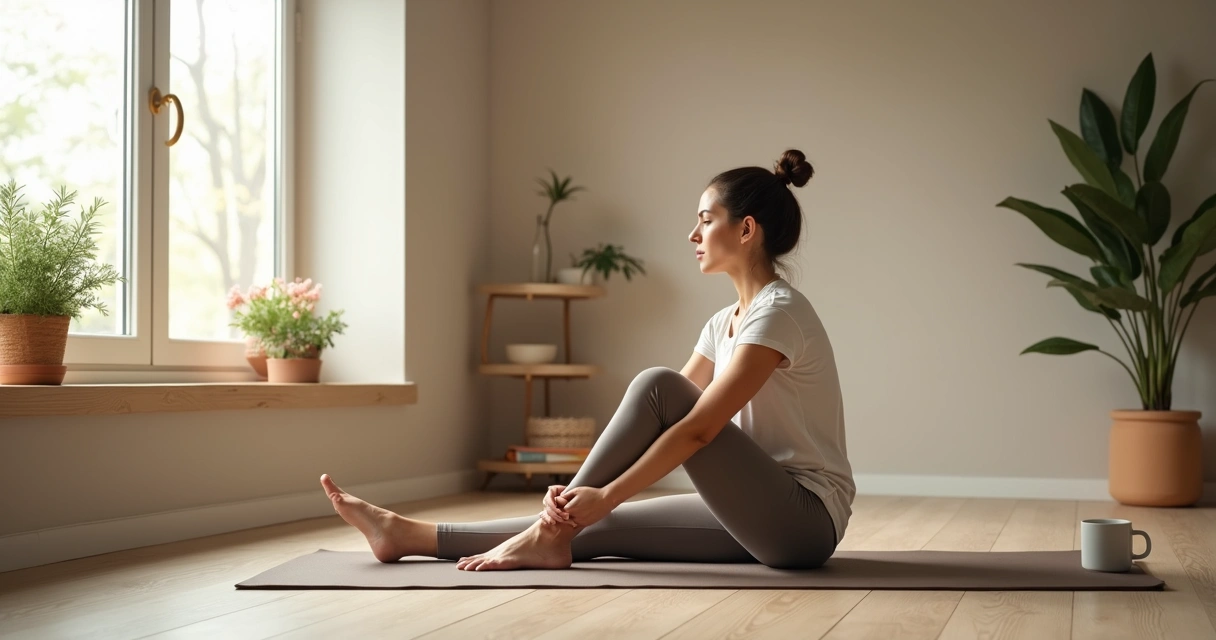
Our nervous system favors gentle movement. We notice benefits with practices such as:
- Slow neck rolls and soft shoulder shrugs
- Simple yoga that focuses on stretching and breath
- Walking outside with mindful awareness to your body
We encourage movements that you can maintain relaxed breathing during. If your breath is calm, the vagus nerve stays engaged.
5. Social connection and safe touch
Meaningful connection with others supports vagus nerve health. This can mean:
- Sharing a warm hug or holding hands
- Gently massaging your own neck, scalp, or jaw muscles
- Spending focused time in calm conversation with loved ones
Safe, nurturing contact helps the nervous system re-learn that the world is a place where we can relax and connect.
Attention, emotion, and the vagus nerve
In our experience, the vagus nerve also plays a role in how we relate to emotions and attention. When engaged, our window of tolerance expands—we become less likely to be pulled into emotional storms. The mind steadies. It becomes practical to observe strong feelings without being swept away.
Practicing a pause, especially when overwhelmed, is a sign that the vagal system is working. We can witness the mind, notice the body, and respond instead of react.
A simple pause can change the outcome of a stressful moment.
Making vagus nerve support part of daily life
None of these practices require special equipment or expert supervision. For us, this is the beauty of working with the vagus nerve: small, regular acts of awareness support long-term growth. The key is consistency. Five minutes of breathwork, humming, or mindful stretching can bring greater clarity, calm, and self-understanding. We become more conscious of the space between stimulus and response.
Conclusion: The return to inner presence
In supporting our vagus nerve, we give ourselves a gift—the ability to notice, feel, and think with more clarity. By including simple daily practices, we create the conditions for real conscious presence and emotional maturity. No matter where we begin, this path leads to deeper awareness and more balanced living.
Frequently asked questions
What is the vagus nerve?
The vagus nerve is a long cranial nerve that runs from the brainstem down through the chest and abdomen, connecting to many organs along the way. It is a core part of the parasympathetic nervous system, helping regulate functions like heart rate, digestion, and calmness.
How does the vagus nerve affect consciousness?
The vagus nerve plays a role in how safe and present we feel, supporting the ability to reflect and respond rather than only react to stress. When it is engaged, we notice our awareness expanding, which allows for more conscious decision-making and emotional balance.
How can I stimulate my vagus nerve?
You can stimulate the vagus nerve through slow, deep breathing with long exhalations, humming or singing, exposure to cold on your face, gentle stretching, or by experiencing safe social contact. Each of these practices sends signals to your nervous system that it is time to relax and connect.
What are practical ways to connect with it?
Practical approaches include mindful breathwork, washing your face with cool water, humming, gentle yoga or stretching, and quality time with supportive people. These actions can be woven into ordinary routines and require only a few moments.
Is vagus nerve stimulation safe?
For most people, stimulating the vagus nerve using natural methods like breathwork and gentle movement is safe and beneficial. However, if you have medical conditions or use devices that affect your heart or nerves, consult your healthcare provider before starting new practices.