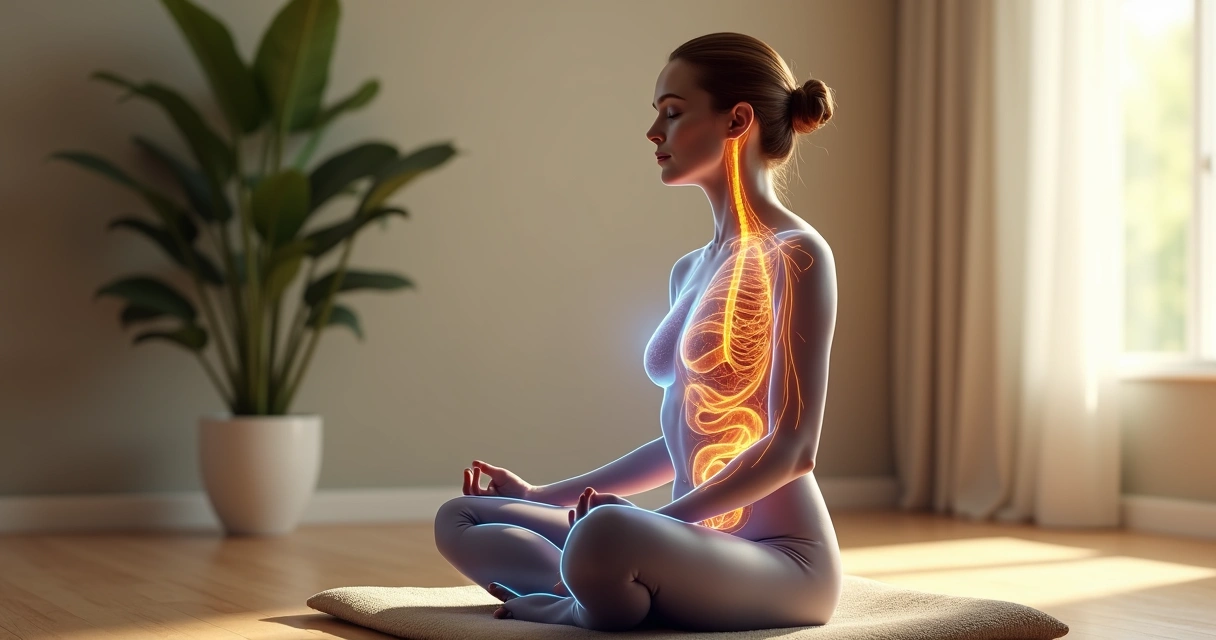

The simple act of breathing often goes unnoticed, resting beneath the surface of our daily awareness. Yet, the human brain orchestrates each breath, weaving together conscious and unconscious threads. From automatic rhythms to deliberate patterns, the science of breath offers a deeper look at how awareness shapes not only how we feel, but also how we live.
Breath: More than an automatic process
We may not think about it, yet breathing happens, moment after moment. The body’s respiratory network ensures that oxygen moves in—and carbon dioxide moves out—whether we notice or not. This is because the brainstem, especially the medulla oblongata and pons, quietly conducts the rhythm of our breath without our direct input.
However, humans stand apart in their ability to move breathing under voluntary control. With intention, we can lengthen an exhale, pause between breaths, or shift the flow from chest to belly. This bridge between unconscious survival and conscious intent is both fascinating and empowering.
Every breath is an intersection between life’s automatic pulse and mindful choice.
The interplay of conscious and unconscious respiration forms the starting point for understanding why breath shapes body, mind, and emotion so profoundly.
How the brain controls our breathing
Within the depths of the brainstem, clusters of neurons form what is known as the respiratory center. These neurons send rhythmic signals to the muscles of the diaphragm and ribcage, guiding them to contract and relax. This keeps air moving into and out of the lungs, minute after minute.
This automatic system keeps us alive, regardless of sleep, distraction, or stress. Still, it is also designed to accept input from higher brain regions.
- The cortex: This area grants us conscious control over voluntary acts like speaking, singing, or holding the breath.
- The limbic system: Responsible for emotion, it influences breath patterns during anxiety, sadness, or joy.
- The cerebellum: Fine-tunes respiratory patterns for precise activities like playing wind instruments or swimming.
The unique capacity to voluntarily change our breath places us in direct conversation with both our bodies and our minds.
What happens when we focus on our breath?
Something interesting unfolds when we shift our attention to breathing. Neural networks in the prefrontal cortex become involved, directing awareness and focus. The insular cortex, a region known for integrating sensory and emotional information, begins to engage as we observe each inhale or exhale.
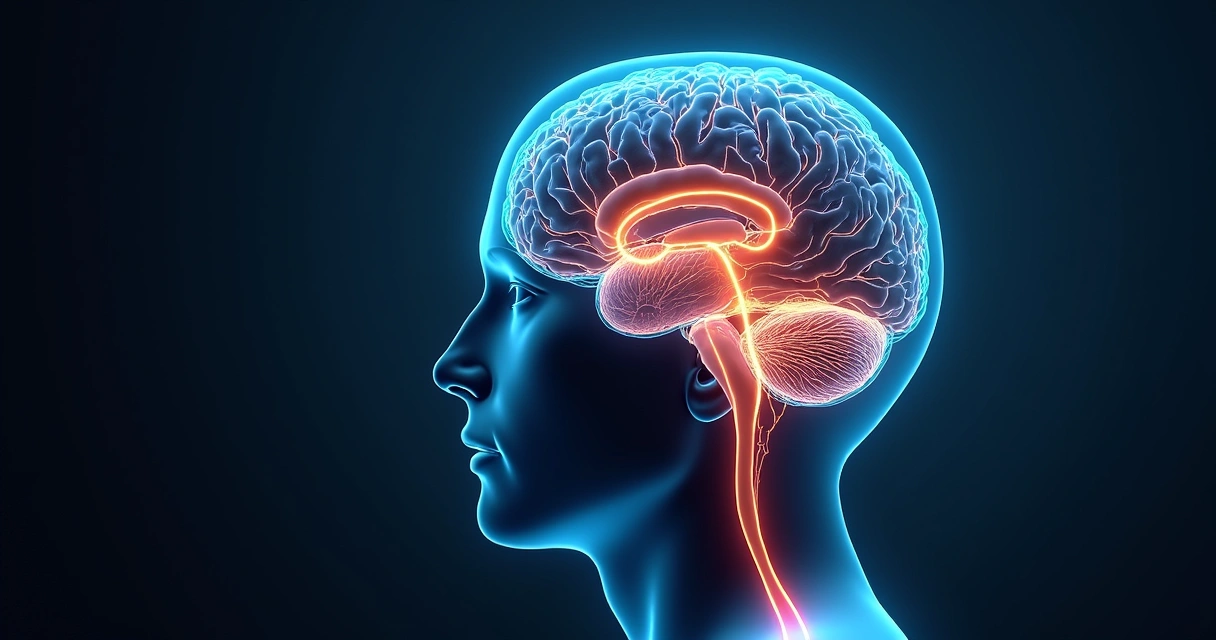
Over time, with deliberate practice, these neural pathways grow stronger. Intentional breath training helps the brain become better at focusing, managing emotions, and calming stress reactions.
Neuroplasticity—our brain’s capacity to adapt—responds to conscious breath work. Even short sessions of slow or deep breathing can create long-lasting changes in how our nervous system reacts to life.
The breath-body-psyche connection
When we change our breathing, our experience changes, too. This is not just a feeling—it is a biological fact. By changing how we breathe, we send direct signals to major systems in the body.
- Parasympathetic nervous system: Deliberate slow breathing activates this “rest and digest” branch, promoting relaxation and a sense of safety.
- Sympathetic nervous system: Rapid, shallow breaths (often during stress) activate the “fight or flight” response.
- Heart rate variability: Focused breathing balances the rhythms of the heart, which is linked to emotional flexibility and resilience.
Many of us have felt our hearts steady or minds clear after a few steady breaths. These shifts are tracked in real-time by our nervous and endocrine systems, signaling hormones, adjusting blood flow, and influencing our thoughts.

Each breath can become a cue for safety, calm, and present-moment awareness within the body.
Conscious breathing, stress, and emotional clarity
In our experience, when tension grows or thoughts spiral, breath is often the first thing to change. Shallow or rapid breathing tells the body a threat is near—even when no real danger exists. However, by using intention, the breath becomes a gentle tool for sending the opposite message.
When we slow the pace, lengthen the exhale, or guide attention to each movement of air, a cascade follows:
- The heart rate slows as the parasympathetic system kicks in.
- Cortisol, the body’s main stress hormone, begins to taper down.
- Blood pressure may lower, and muscles loosen.
- The brain shifts from survival mode into reflection and learning mode.
By building awareness of these patterns, we gain the power to pause between stimulus and response. Conscious breath gives us a space to observe emotion, rather than be swept away by it.
How deliberate breath shapes conscious presence
Breath control is more than a physical act. As we see it, it is the foundation for a quiet strength—the ability to choose how we meet what life brings. Whether sitting in calm, facing challenge, or moving through joy, conscious breath helps stabilize our inner world.
Many regular practitioners find that daily breath attention:
- Leads to less reactivity and more reasoned choices.
- Improves memory and presence in conversation.
- Strengthens the connection between mind and body.
- Brings moments of calm even on restless days.
Breathe consciously. Respond, rather than react.
Conclusion
We believe that understanding the neuroscience of breath reveals that conscious control is not just possible, but deeply human. By moving awareness inward, connecting feeling to breath, we open new paths toward emotional clarity and inner autonomy. Every inhale and exhale becomes a bridge, linking the automatic rhythms of biology with the mindful presence of experience. In this balance of science and inner life, breath remains both a teacher and a companion, inviting us to live with greater presence every day.
Frequently asked questions
What is conscious control of breath?
Conscious control of breath is the deliberate act of noticing and guiding your own breathing patterns, rather than letting them happen automatically. For example, slowing down your breath, lengthening your exhale, or practicing paced breathing are all forms of conscious control. This gives you direct access to influence how you feel, think, and respond in each moment.
How does breath affect the brain?
Breath communicates with the brain in both directions. The brainstem manages automatic breathing, while conscious attention involves the cortex and limbic system. Breath signals help regulate the nervous system, affect emotional centers, and support focus or calm based on how you breathe.
Can breathing exercises reduce stress?
Yes, breathing exercises can help reduce stress. Slow and conscious breathing activates the body’s relaxation response, lowering heart rate and stress hormones like cortisol. Many people find simple breath work effective for calming nerves, especially during moments of anxiety or tension.
What are the benefits of mindful breathing?
Mindful breathing offers several benefits, such as improved emotional clarity, deeper focus, and greater self-awareness. Regular practice can also help reduce anxiety, improve sleep quality, boost immune response, and support physical relaxation. It strengthens the connection between mind and body, providing a tool for steadiness in daily life.
How to practice conscious breathing daily?
To practice conscious breathing daily, start by setting aside a few moments each day to pay attention to your breath. Sit or lie down comfortably, and notice each inhale and exhale. Try techniques like counting breaths, lengthening your exhale, or placing a hand on your abdomen to feel the movement. Regular short sessions are often more helpful than long, occasional ones. With time, mindful breathing can become a natural part of your routine.